Mardi Himal Trek Overview
The Mardi Himal Trek is a hidden gem in Nepal that offers a peaceful and rewarding Himalayan adventure away from crowded trails. This 11-day trek takes you through pristine forests, alpine landscapes, and dramatic ridgelines, delivering close-up mountain views and a strong sense of accomplishment.
The journey begins in Kathmandu and continues to the scenic lakeside city of Pokhara. From there, the trail gradually ascends through lush rhododendron and oak forests, quiet alpine meadows, and traditional villages.
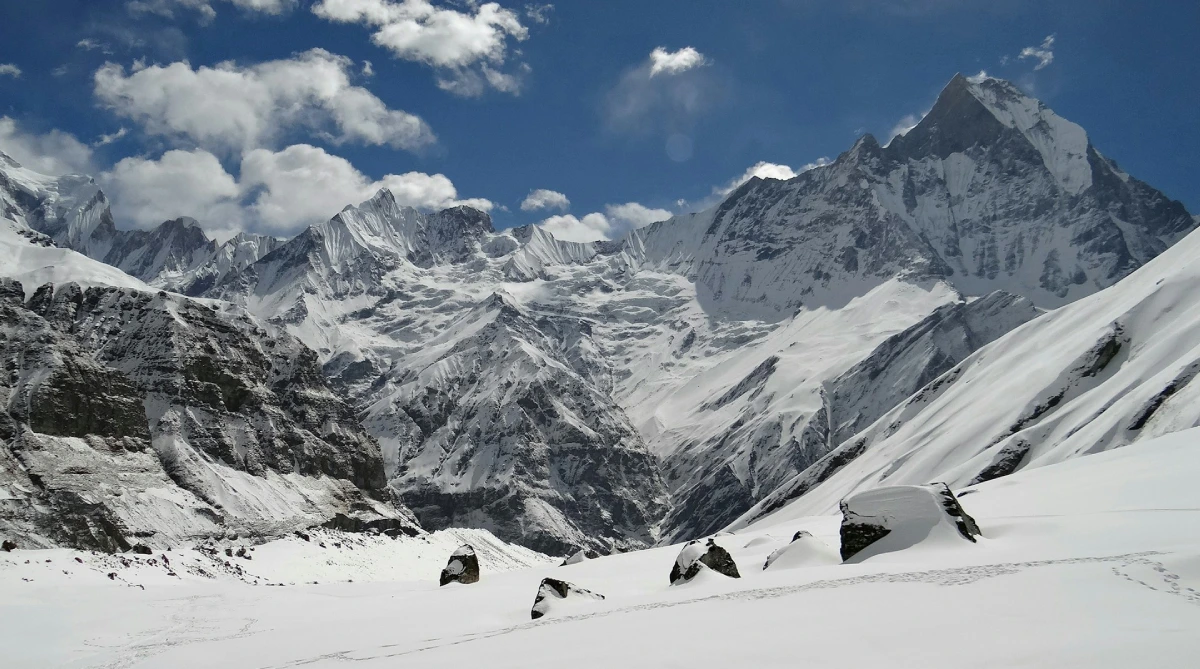
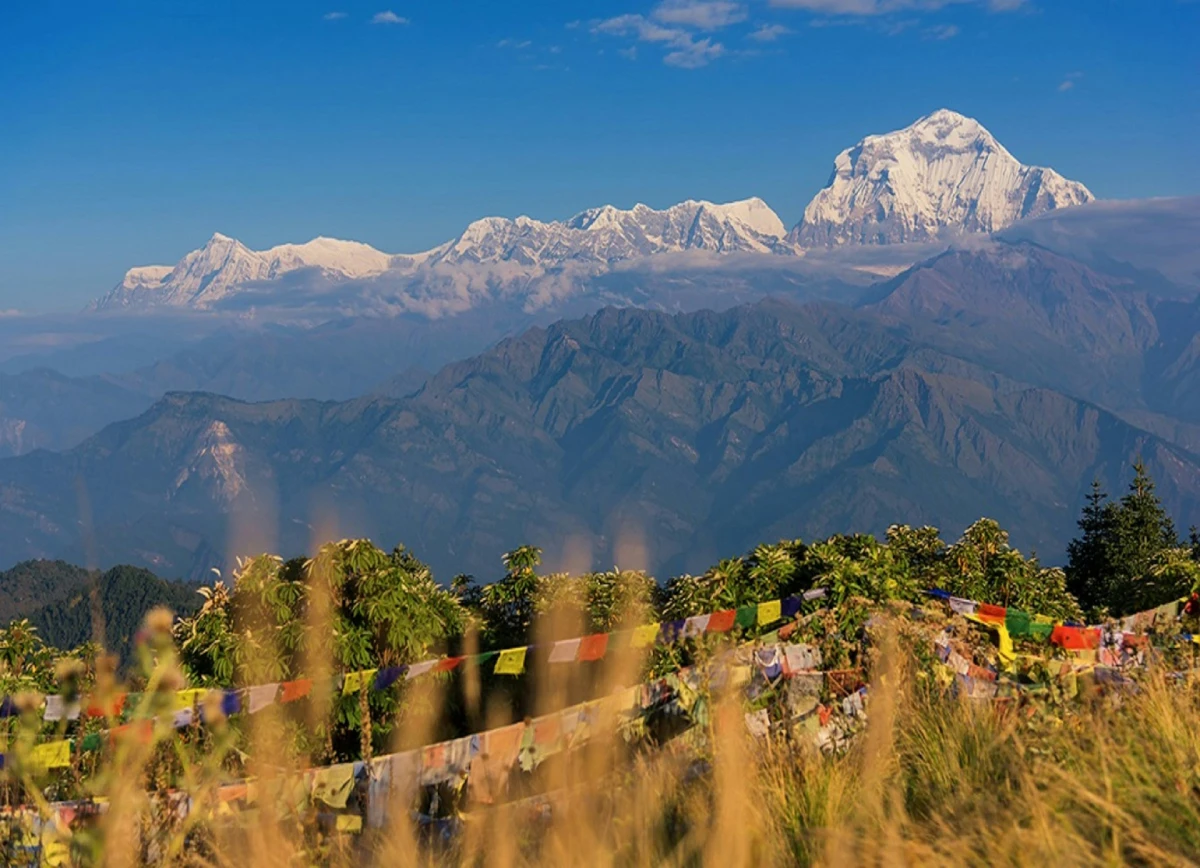
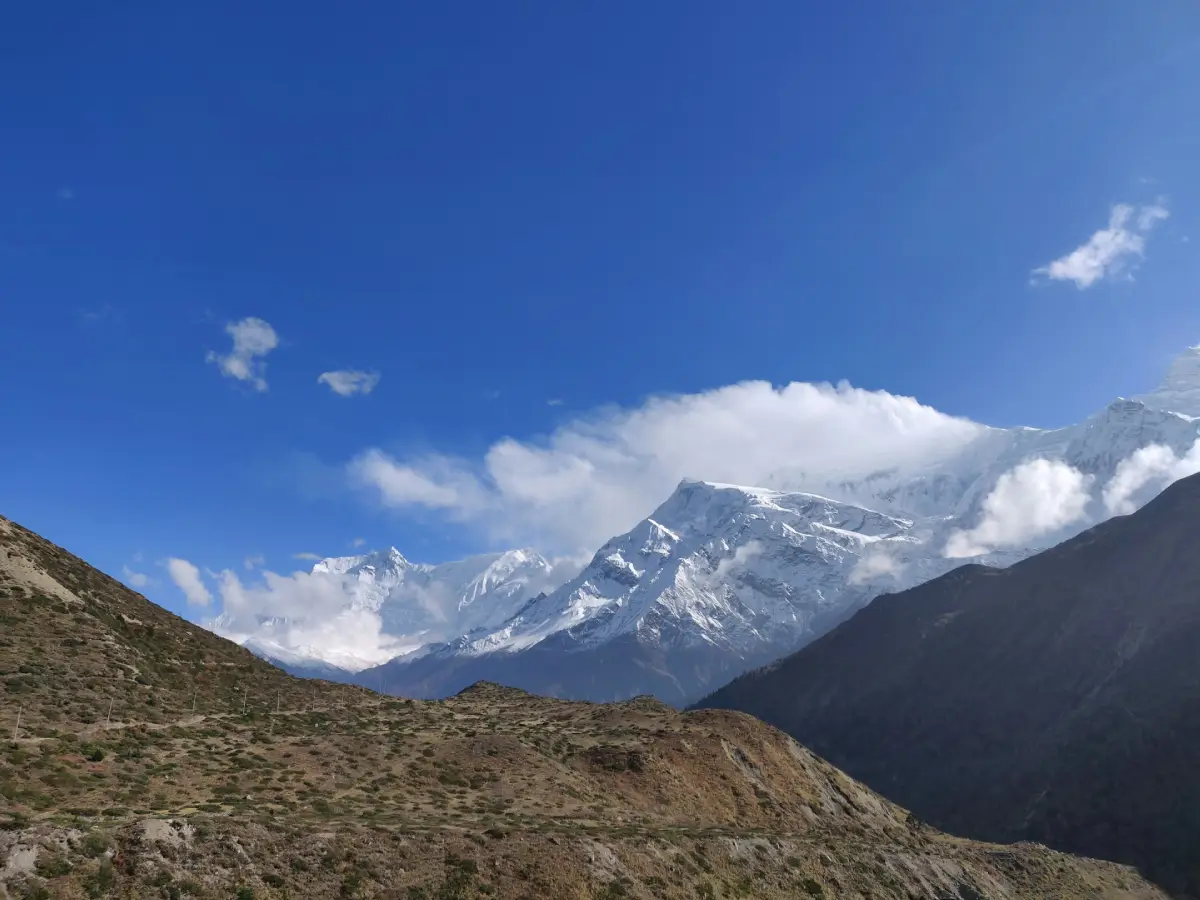
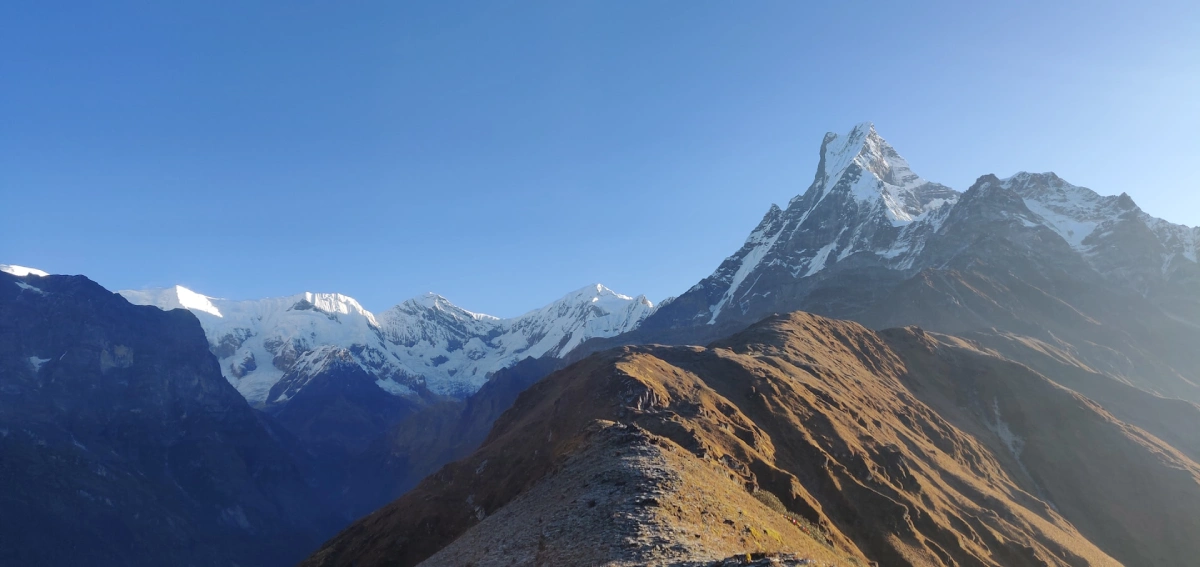
As you gain elevation, the scenery becomes increasingly dramatic. The final ascent rewards you with breathtaking panoramas of the Annapurna range, including Machhapuchre and Himchuli. Standing at Mardi Himal Base Camp feels like reaching the edge of the world—an unforgettable Himalayan experience filled with solitude and raw natural beauty.
Mardi Himal Trek Key Attractions
- Scenic drive from Kathmandu to Pokhara with views of Himalayan foothills
- Close-up views of Annapurna South, Machhapuchre, and Himchuli
- Cultural experience in traditional villages like Siding
- Trekking through rhododendron forests and alpine meadows
- Free day to explore Pokhara, Phewa Lake, and adventure sports
- Rich biodiversity inside the Annapurna Conservation Area
- Optional scenic flight from Pokhara to Kathmandu
Packing List for Mardi Himal Trek
Packing light while staying prepared is the key to a comfortable trek. Choose durable, weather-resistant, and functional gear.
General Gear
- Sleeping bag (rated to 0°C)
- Backpack (35–45L) with rain cover
- Sleeping bag liner
- Duffel bag (rentable)
Clothing
Base & Daily Wear
- Thermal base layers
- Comfortable trekking pants
- Sleepwear
- Undergarments and sports bra
Warm Layers
- Fleece jacket
- Insulated jacket
- Warm trousers
- Wool or technical fabrics
- Warm hat and gloves
Footwear
- Trekking boots
- Hiking socks and liner socks
- Casual shoes
- Slippers
- Microspikes (Nov–Mar)
- Gaiters (winter)
Weather Protection
- Waterproof jacket and pants
- Raincoat
- Windproof gloves
Sun Protection
- Sun hat or cap
- Polarized sunglasses
- Sunscreen
Trekking Equipment
- Trekking poles
- Headlamp
- Technical trekking shirts
- Hiking shorts and pants
First Aid & Medicine
- Personal medications
- Altitude sickness tablets
- Antiseptic cream
- Cough syrup
- Electrolytes
- Mosquito repellent
Other Essentials
- Toiletry kit
- Passport & copies
- Reusable water bottle
- Water purification tablets
- Towel
- Waterproof document pouch
Optional Items
- Camera & phone
- Power bank (solar preferred)
- Binoculars
- Thermos bottle
- Books or diary
How High Is Mardi Himal?
Mardi Himal stands at 5,587 meters (18,330 ft). While the trek does not summit the peak, the Mardi Himal Base Camp offers spectacular panoramic views of Annapurna South, Machhapuchre, and surrounding peaks.
Accommodation on Mardi Himal Trek
In Kathmandu, you stay in a 3-star hotel with private bathrooms and breakfast. You can upgrade to a 5-star hotel at an additional cost.
During the trek, you stay in local teahouses. Rooms are usually shared with common bathrooms, although private rooms are available for an extra fee.
Washroom Facilities on the Trail
Pokhara and Kathmandu provide modern washrooms. Along the trekking route, facilities become basic, especially at higher elevations. In remote sections, you may need to use outdoor areas, so carrying hygiene supplies is essential.
Trek Essentials
Permits Required
- Annapurna Conservation Area Permit (ACAP)
- TIMS Card
Travel Insurance
Insurance is mandatory and must cover:
- High-altitude trekking
- Emergency evacuation
- Medical emergencies
- Natural disasters
Trek Difficulty & Distance
- Difficulty: Moderate
- Daily walking: 6–7 hours
- Maximum elevation: Over 4,500m
- Total distance: ~40 km
- Kande to Base Camp: ~32 km
- Base Camp to Siding: ~8 km
The terrain includes steep ascents, narrow trails, and variable weather conditions.
Best Time to Trek Mardi Himal
- Best seasons: Spring (Mar–May) & Autumn (Sep–Nov)
- Winter: Snowy, cold, fewer crowds
- Monsoon: Lush scenery but slippery trails
Safety & Altitude Sickness Prevention
- Ascend gradually
- Stay hydrated
- Avoid alcohol
- Wear proper layers
- Inform your guide immediately if symptoms appear
Guides carry first aid kits, and helicopter evacuation is available if needed.
Internet & Connectivity
Most teahouses provide Wi-Fi, though speed may vary. Mobile networks work in lower regions but can be unreliable at higher elevations.
How to Reach the Trek Starting Point
You can:
- Drive from Kathmandu to Pokhara
- Take a domestic flight (25–30 minutes)
- Drive from Pokhara to Kande
Flight Baggage Limit
- Maximum: 15 kg (duffel + backpack)
- Extra charge: USD 2–5 per kg
Food on the Mardi Himal Trek
- Pokhara: International cuisine
- Trekking trail: Local meals, noodles, soups, rice
- Higher altitude: Gurung, Thakali, Tibetan-style food
Mardi Himal Trek Cost
- 11-day trek: ~USD 990
- 8-day trek: ~USD 795
Costs vary based on accommodation upgrades, guide services, and itinerary customization.
Training for Mardi Himal Trek
Begin training 2–3 months in advance:
- Cardio (walking, jogging, stair climbing)
- Strength training
- Breathing exercises
- Weekend hikes
Good fitness ensures a safer and more enjoyable trek.
Beginner’s Guide to Mardi Himal Trek
Mardi Himal is easier than Everest Base Camp but still demands preparation. With proper training, gear, acclimatization, and a positive mindset, beginners can complete this trek successfully and confidently.