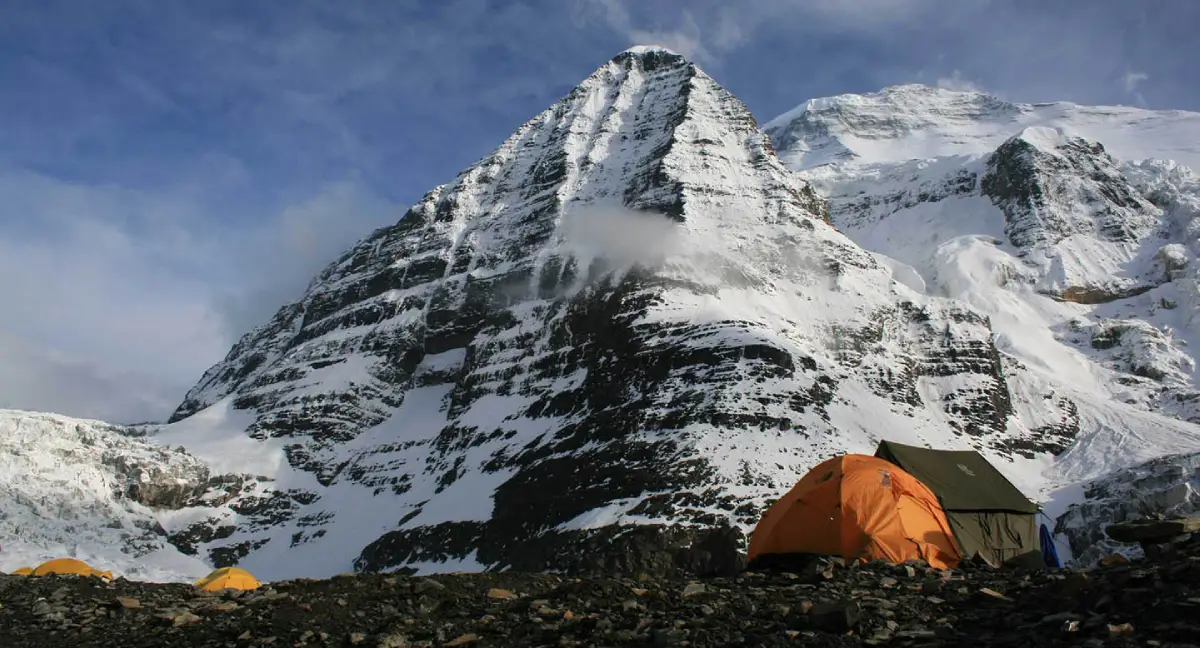
Dhaulagiri Circuit Trek Overview
The Dhaulagiri Circuit Trek is one of Nepal’s most challenging and rewarding trekking adventures. This remote Himalayan journey takes trekkers through pristine valleys, massive glaciers, high mountain passes, and spectacular alpine landscapes surrounding Mount Dhaulagiri (8,167 m), the seventh-highest mountain in the world.
Unlike the crowded trails of Everest and Annapurna, the Dhaulagiri Circuit offers solitude, wilderness, and authentic cultural experiences. The route traverses rugged terrain, remote villages, dense forests, glacial moraines, and high-altitude camps, making it an ideal expedition for experienced trekkers seeking a true Himalayan adventure.
Located in western Nepal, the Dhaulagiri region remains one of the country’s most untouched trekking destinations. The trek combines breathtaking mountain scenery, diverse landscapes, and encounters with local Magar communities, creating an unforgettable journey through the heart of the Himalayas.
Dhaulagiri Circuit Trek Highlights
- Enjoy a scenic drive through Nepal’s picturesque hills and river valleys to Beni.
- Experience the traditional culture and hospitality of the Magar communities.
- Trek through remote villages, lush forests, and alpine meadows.
- Explore the spectacular Dhaulagiri Base Camp and Italian Base Camp.
- Cross the challenging French Pass (5,360 m), one of Nepal’s most scenic high passes.
- Discover the hidden beauty of the remote Hidden Valley.
- Conquer Dhampus Pass (Thapa Pass) at 5,250 m.
- Witness stunning views of Dhaulagiri, Annapurna, Tukuche Peak, Nilgiri, and other Himalayan giants.
- Walk alongside glaciers, icefalls, and high-altitude wilderness.
- Camp under star-filled Himalayan skies.
- Descend into the dramatic Kali Gandaki Gorge, one of the deepest gorges in the world.
- Enjoy a thrilling mountain flight from Jomsom to Pokhara.
Dhaulagiri Circuit Trek Route
The journey begins with a scenic drive from Kathmandu to Beni, the gateway to the Dhaulagiri region. From Beni, the trail follows the Myagdi Khola Valley through traditional villages such as Babichaur, Dharapani, and Muri.
Muri is the last major settlement along the route and provides a fascinating insight into the lifestyle of the local Magar people. Beyond Muri, the landscape becomes increasingly remote as the trail passes through forests, narrow valleys, and isolated campsites.
The trek continues through Baghara, Dobang, and Choriban Khola before reaching the beautiful Italian Base Camp. Surrounded by towering snow-covered peaks, this camp offers incredible panoramic views and serves as an important acclimatization point.
From Italian Base Camp, trekkers move towards Dhaulagiri Base Camp via glacial terrain and rocky moraines. The base camp sits amidst an awe-inspiring amphitheater of Himalayan peaks, including Dhaulagiri I, II, III, IV, and V.
One of the trek’s greatest highlights is crossing the French Pass (5,360 m). From the summit of the pass, trekkers enjoy panoramic views of Dhaulagiri, Mukut Himal, Tashi Kang, and surrounding glaciers.
After crossing the French Pass, the trail descends into the spectacular Hidden Valley, a remote high-altitude basin rarely visited by travelers. The adventure continues over Dhampus Pass (5,250 m), offering magnificent views of Annapurna and Dhaulagiri ranges.
The final descent leads to Yak Kharka, Alubari, and eventually the charming village of Marpha, famous for its apple orchards and traditional stone houses. The trek concludes in Jomsom, followed by a scenic flight to Pokhara.
Why Choose the Dhaulagiri Circuit Trek?
The Dhaulagiri Circuit Trek stands out as one of Nepal’s most adventurous trekking routes because it offers:
- Fewer crowds compared to Everest Base Camp and Annapurna Circuit.
- Exceptional wilderness and remote mountain landscapes.
- High-altitude camping experiences.
- Technical mountain passes and glacier crossings.
- Rich cultural interactions with local communities.
- Incredible views of some of Nepal’s highest peaks.
- A true expedition-style trekking experience.
This trek is perfect for physically fit and experienced trekkers who want to explore one of the last great wilderness areas of the Himalayas.
Difficulty Level
The Dhaulagiri Circuit Trek is considered a strenuous and challenging trek. Trekkers cross two high passes above 5,000 meters and spend several days in remote alpine environments.
Good physical fitness, previous trekking experience, and proper acclimatization are highly recommended. Participants should be prepared for long trekking days, unpredictable weather, and basic camping conditions.
Best Time for Dhaulagiri Circuit Trek
The best seasons for the Dhaulagiri Circuit Trek are:
Spring (March to May)
- Stable weather
- Rhododendron forests in bloom
- Excellent mountain visibility
- Moderate temperatures
Autumn (September to November)
- Clear skies
- Dry trekking conditions
- Spectacular mountain views
- Comfortable temperatures
Winter and monsoon seasons are generally not recommended due to heavy snow and difficult trail conditions.
Accommodation and Meals
Accommodation during the Dhaulagiri Circuit Trek consists primarily of camping. Unlike popular teahouse treks, this route requires a fully supported camping setup in most sections.
Trekkers enjoy freshly prepared meals by the support crew, including:
- Rice and lentils (Dal Bhat)
- Noodles and pasta
- Soups
- Potatoes
- Seasonal vegetables
- Tea and coffee
The camping experience adds to the sense of adventure and allows trekkers to explore areas inaccessible to regular trekking routes.
Packing List for Dhaulagiri Circuit Trek
Essential Trekking Gear
General Equipment
- Four-season sleeping bag (rated to -10°C or lower)
- Down jacket with hood
- Daypack (35-45 liters)
- Waterproof duffel bag
- Sleeping bag liner
- Rain cover
Headwear and Accessories
- Sun hat or trekking cap
- Warm beanie
- Sunglasses with UV protection
- Headlamp with spare batteries
Clothing Layers
Upper Body
- Moisture-wicking base layers
- Long-sleeve trekking shirts
- Fleece jacket
- Insulated down jacket
- Waterproof shell jacket
Lower Body
- Thermal base layers
- Trekking pants
- Waterproof trousers
- Comfortable camp pants
- Trekking shorts
Hands
- Lightweight liner gloves
- Insulated waterproof gloves
Footwear
- Waterproof trekking boots
- Warm trekking socks
- Casual camp shoes
- Gaiters
- Microspikes or ice cleats
Personal Essentials
- Passport and permits
- Passport-size photos
- Water bottles or hydration bladder
- Water purification tablets
- Personal medications
- Sunscreen
- Lip balm
- Toiletries
- Trekking poles
- Power bank
- Camera
Important Information
- We provide a complimentary duffel bag and trekking cap during the pre-trek briefing in Kathmandu.
- One porter is assigned for every two trekkers.
- Each trekker’s duffel bag should not exceed 10 kg.
- Non-trekking luggage can be safely stored in Kathmandu.
- Down jackets and sleeping bags are available for rent at USD 35 per item.
- Lost or damaged rental equipment incurs a replacement fee of USD 200.
- Respect local culture by dressing modestly throughout the trek.
Frequently Asked Questions (FAQs)
How difficult is the Dhaulagiri Circuit Trek?
The Dhaulagiri Circuit Trek is one of Nepal’s most challenging treks. It involves high-altitude passes, glacier crossings, remote camping, and long trekking days. Previous high-altitude trekking experience is strongly recommended.
How many days does the Dhaulagiri Circuit Trek take?
Most itineraries range from 16 to 20 days, depending on acclimatization schedules, weather conditions, and side trips.
What is the highest point of the trek?
The highest point is French Pass at 5,360 meters (17,585 feet).
Do I need prior trekking experience?
Yes. Due to the demanding nature of the route, prior experience with multi-day trekking at high altitude is highly recommended.
Is altitude sickness a concern?
Yes. The trek reaches elevations above 5,000 meters. Proper acclimatization, hydration, and gradual ascent are essential for minimizing altitude-related risks.
What permits are required for the Dhaulagiri Circuit Trek?
Trekkers generally require:
- Annapurna Conservation Area Permit (ACAP)
- Trekkers’ Information Management System (TIMS) Card
Permit requirements may change, so always verify current regulations before traveling.
Can beginners do the Dhaulagiri Circuit Trek?
The trek is not recommended for beginners due to its challenging terrain, remote location, and high-altitude environment.
When is the best time to trek the Dhaulagiri Circuit?
Spring (March-May) and autumn (September-November) offer the best weather, stable trail conditions, and clear mountain views.
Is camping necessary on the Dhaulagiri Circuit Trek?
Yes. Much of the route passes through remote areas without teahouse facilities, making camping an essential part of the experience.
What mountains can I see during the trek?
You can enjoy spectacular views of Dhaulagiri I, Annapurna I, Tukuche Peak, Nilgiri, Mukut Himal, Sita Chuchura, and several other Himalayan peaks exceeding 6,000 and 7,000 meters.