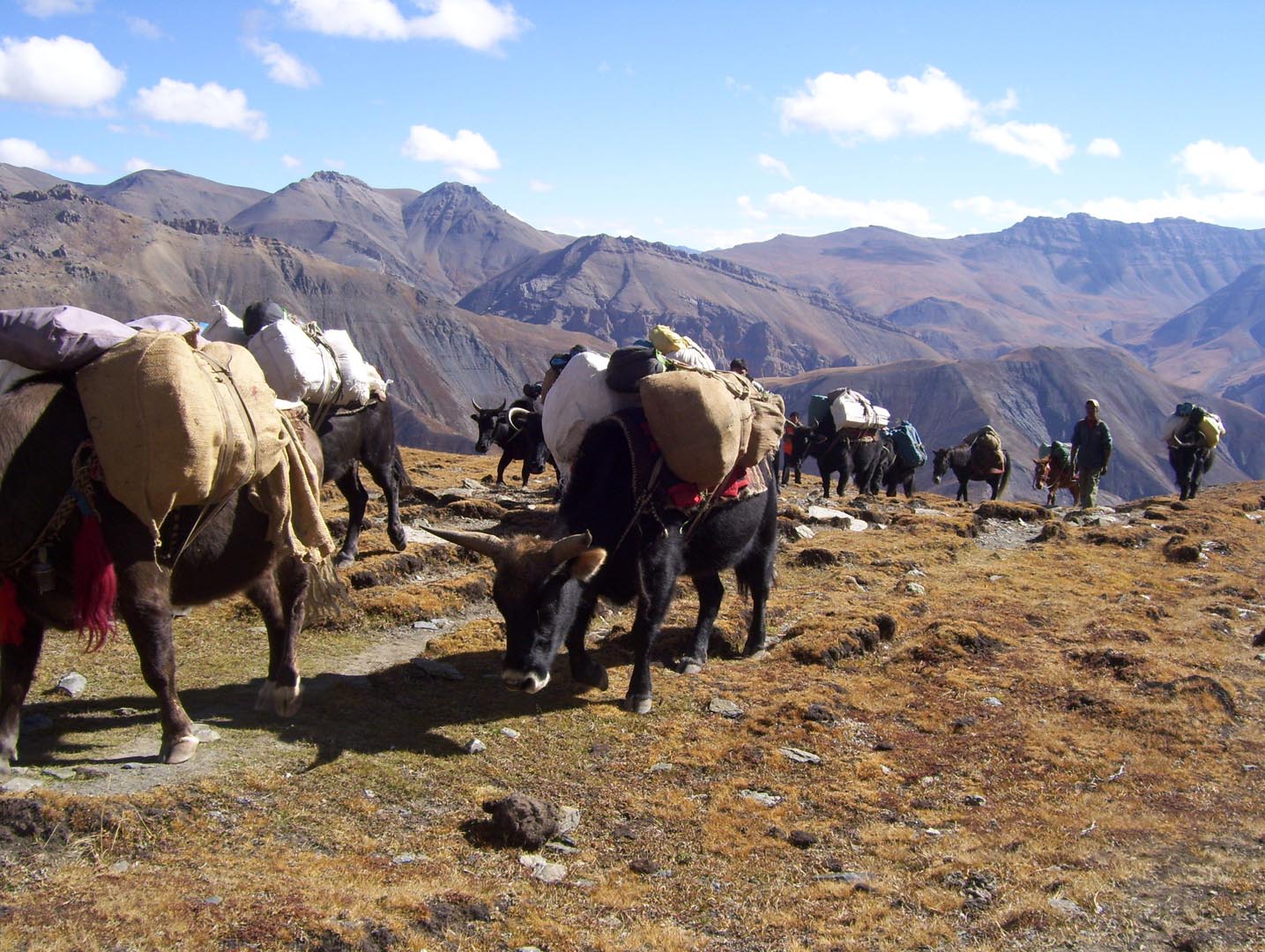
The Upper Dolpo Trek takes you deep into one of Nepal’s most remote and culturally fascinating Himalayan regions. Hidden behind the high mountains of western Nepal, Upper Dolpo preserves an extraordinary combination of rugged landscapes, ancient Tibetan Buddhist traditions, isolated villages, dramatic mountain passes, and pristine alpine lakes.
Often described as the “land beyond the Himalayas,” Dolpo offers a completely different trekking experience from popular routes such as the Everest Base Camp and Annapurna Circuit. The region sees relatively few trekkers because of its remote location, challenging terrain, restricted-area regulations, and limited infrastructure.
The journey begins with a flight from Kathmandu to Nepalgunj and then continues to Juphal, the main gateway to the Dolpo region. From Juphal, you enter Shey Phoksundo National Park, Nepal’s largest national park, and gradually make your way through deep valleys, high-altitude settlements, ancient monasteries, and barren Himalayan landscapes.
One of the major highlights of the trek is Phoksundo Lake, a spectacular turquoise lake surrounded by dramatic cliffs and waterfalls. The trail then takes you farther into the wilderness, crossing challenging passes such as Kang La, Saldang La, and Jeng La before reaching traditional villages and sacred sites.
The Upper Dolpo Trek combines adventure, wilderness, culture, and spirituality in a single journey. If you want to experience a remote Himalayan landscape where traditional lifestyles remain largely untouched by modern development, this trek offers an unforgettable opportunity.
Upper Dolpo Trek Highlights
- Explore one of Nepal’s most remote and isolated Himalayan regions.
- Visit the spectacular turquoise Phoksundo Lake at 3,600 meters.
- Trek through the wilderness of Shey Phoksundo National Park.
- Cross challenging high mountain passes, including Kang La, Saldang La, and Jeng La.
- Visit the historic Shey Gompa, also known as the Crystal Monastery.
- Experience ancient Tibetan Buddhist and Bon traditions.
- Explore traditional villages such as Saldang, Namgung, Tokyu, and Dho Tarap.
- Witness dramatic landscapes ranging from lush valleys to high-altitude deserts.
- Observe traditional yak herding, barley farming, weaving, and seasonal trade.
- Look for Himalayan wildlife such as blue sheep and, with luck, the elusive snow leopard.
- Walk through remote valleys with very few other trekkers.
- Experience one of Nepal’s most authentic Himalayan wilderness adventures.
Why Trek Upper Dolpo?
Upper Dolpo stands apart from Nepal’s more developed trekking destinations. While popular routes have established teahouses, busy trails, and larger numbers of trekkers, Upper Dolpo retains a much more isolated character.
The region’s geographical isolation has helped preserve its traditional culture and way of life. Villages sit high above sea level, and many residents continue to depend on agriculture, livestock, and seasonal trading.
As you walk through the region, you can see stone houses, ancient monasteries, prayer flags, mani walls, chortens, and traditional fields. Yak caravans still travel through some valleys, reflecting the centuries-old trading traditions of the region.
The landscape changes dramatically throughout the trek. You may walk beside dense forests and waterfalls one day and cross dry, windswept Himalayan terrain the next. The combination of cultural richness and extreme wilderness makes Upper Dolpo an exceptional destination for experienced trekkers.
Upper Dolpo Trek Route
The classic Upper Dolpo route starts with flights from Kathmandu to Nepalgunj and Nepalgunj to Juphal. Juphal provides access to the trekking trails leading into Dolpo.
The route generally passes through:
Kathmandu → Nepalgunj → Juphal → Dunai → Hanke → Ankhe → Renje → Phoksundo Lake → Phoksundo Khola → Kang La Pass → Shey Gompa → Namgung → Saldang → Saldang La → Yangjer Gumba → Jeng La Pass → Tokyu → Dho Tarap → Serkam → Khani Gaon → Tarakot → Dunai → Juphal → Nepalgunj → Kathmandu
The exact itinerary can vary depending on weather, flight schedules, trail conditions, acclimatization requirements, and the trekking company’s route.
Upper Dolpo Trek Itinerary
A typical Upper Dolpo Trek takes around 24 to 28 days, depending on the route and acclimatization schedule. The following itinerary provides a general example of the classic trekking route.
Day 1: Arrival in Kathmandu
Your Upper Dolpo adventure begins when you arrive in Kathmandu. After completing the necessary airport formalities, you transfer to your hotel.
Use the day to rest after your international journey. Your trekking team can also arrange a briefing to explain the route, permits, safety procedures, and equipment requirements.
If you need additional trekking equipment, Kathmandu provides plenty of opportunities to purchase or rent essential gear.
Overnight: Kathmandu
Day 2: Kathmandu Sightseeing and Trek Preparation
Spend the day preparing for the trek and exploring Kathmandu if your schedule allows.
You can visit some of the city’s cultural landmarks or use the day to purchase last-minute trekking supplies. Your guide will check your equipment and help you prepare your trekking bags.
Since Upper Dolpo involves remote and high-altitude terrain, proper preparation plays an important role in making the trek comfortable and safe.
Overnight: Kathmandu
Day 3: Fly from Kathmandu to Nepalgunj
Take a domestic flight from Kathmandu to Nepalgunj in southwestern Nepal.
Nepalgunj lies close to the Indian border and serves as an important transportation hub for western Nepal. After arriving, you can rest at the hotel and prepare for the following day’s flight to Juphal.
Overnight: Nepalgunj
Day 4: Fly from Nepalgunj to Juphal and Trek to Dunai
Take an early flight from Nepalgunj to Juphal Airport, the main air gateway to the Dolpo region.
After landing, begin your trek toward Dunai. The trail follows the Thuli Bheri River through hills and traditional settlements.
Dunai serves as the administrative center and an important starting point for trekking deeper into Dolpo.
Overnight: Dunai
Day 5: Trek from Dunai to Ankhe
Leave Dunai and follow the trail along the Thuli Bheri River before entering narrower valleys.
The landscape gradually becomes more rugged as you move farther from the developed areas. You pass through forests, small settlements, suspension bridges, and steep hills before reaching Ankhe.
Overnight: Ankhe
Day 6: Trek from Ankhe to Renje
Continue along the trail toward Renje.
The route involves several ascents and descents as you follow the river through narrow valleys. Dense vegetation and waterfalls provide a striking contrast to the dry landscapes that you will encounter later in the trek.
Overnight: Renje
Day 7: Trek from Renje to Phoksundo Lake
Today brings one of the most memorable sections of the Upper Dolpo Trek.
Continue toward Phoksundo Lake, passing through forests and dramatic mountain scenery. As you approach the lake, the landscape becomes increasingly spectacular.
The first view of the turquoise lake surrounded by steep cliffs is one of the defining moments of the trek.
Overnight: Phoksundo Lake
Day 8: Acclimatization Day at Phoksundo Lake
Spend an additional day around Phoksundo Lake to acclimatize and explore the surrounding area.
Phoksundo Lake sits at approximately 3,600 meters and features remarkably clear turquoise water. The surrounding cliffs, waterfalls, forests, and mountains create an extraordinary Himalayan landscape.
You can explore nearby trails, visit the traditional Ringmo village, and observe local Tibetan Buddhist culture.
This rest day also helps your body adjust to the increasing altitude before you cross the higher mountain passes.
Overnight: Phoksundo Lake
Day 9: Trek toward Phoksundo Khola
Leave Phoksundo Lake and enter a more remote section of the trail.
The route follows the Phoksundo Khola through increasingly narrow and rugged terrain. You may encounter steep trails and rocky sections as the valley becomes more isolated.
The environment changes from forested terrain to the dry, barren landscape characteristic of the inner Dolpo region.
Overnight: Camp
Day 10: Cross Kang La Pass
Today is one of the most challenging days of the trek.
You ascend toward Kang La Pass at approximately 5,306 meters. The climb requires a steady pace and careful attention because of the high altitude.
From the pass, you can enjoy spectacular views of surrounding peaks, valleys, and the dramatic Himalayan landscape.
After crossing Kang La, descend carefully toward the other side of the pass.
Overnight: Camp
Day 11: Trek toward Shey Gompa
Continue through the remote landscapes surrounding Shey.
The terrain becomes increasingly dry and rugged, resembling a high-altitude desert. The enormous mountains and barren valleys create a sense of isolation that defines Upper Dolpo.
Eventually, you reach the sacred area around Shey Gompa.
Overnight: Shey
Day 12: Explore Shey Gompa
Spend time exploring Shey Gompa, one of the most important spiritual sites in Dolpo.
Often associated with the name Crystal Monastery, Shey Gompa represents the deep Tibetan Buddhist heritage of the region. The surrounding landscape also holds significant religious importance.
The area provides an opportunity to learn about local Buddhist traditions, monasteries, rituals, and the spiritual relationship between the people and their environment.
Overnight: Shey
Day 13: Shey to Namgung
Leave Shey and trek toward Namgung.
The trail crosses high-altitude terrain and offers impressive views of the surrounding mountains. The isolated settlement and traditional stone structures provide a glimpse into the difficult but resilient lifestyle of communities living in this region.
Overnight: Namgung
Day 14: Namgung to Saldang
Continue toward Saldang, one of the most important villages in Upper Dolpo.
Saldang sits on a high plateau and has long served as an important settlement and trading center. Traditional houses, cultivated fields, monasteries, and grazing areas give the village a distinct Himalayan character.
The village offers one of the best opportunities to experience traditional life in Upper Dolpo.
Overnight: Saldang
Day 15: Explore Saldang
Take time to explore Saldang and its surrounding area.
You can observe traditional farming practices, local architecture, Buddhist culture, and the daily activities of villagers.
Barley farming and livestock remain important to the local economy, while seasonal trade has historically connected these communities with neighboring regions.
Overnight: Saldang
Day 16: Cross Saldang La
Leave Saldang and climb toward Saldang La Pass, which reaches approximately 4,785 meters.
The ascent demands steady effort, but the panoramic views from the high point make the climb worthwhile.
After crossing the pass, descend through remote valleys and continue toward the next settlements.
Overnight: Camp
Day 17: Trek toward Jeng La
Continue through the high-altitude wilderness toward Jeng La.
The landscape remains dry and dramatic, with barren hills, snow-covered peaks, and expansive valleys.
As you approach Jeng La, prepare for another challenging high-pass crossing.
Overnight: Camp
Day 18: Cross Jeng La Pass and Trek to Tokyu
Cross Jeng La Pass at around 5,100 meters.
The pass provides spectacular views across the surrounding Himalayan terrain. After reaching the top, descend toward the greener valley around Tokyu.
The change in landscape becomes noticeable as you move from the high, barren pass toward lower elevations.
Overnight: Tokyu
Day 19: Trek to Dho Tarap
Continue toward Dho Tarap, one of the most culturally significant settlements in the Dolpo region.
The valley contains traditional villages and agricultural fields surrounded by rugged mountains. The people of Dho Tarap maintain strong connections with Tibetan Buddhist and Bon traditions.
Dho Tarap provides another excellent opportunity to learn about the region’s distinctive culture.
Overnight: Dho Tarap
Day 20: Explore Dho Tarap
Spend a day exploring Dho Tarap and its surrounding villages.
Interact respectfully with local communities and observe traditional houses, monasteries, fields, and livestock.
The valley demonstrates how communities have adapted to farming and living at high altitude for generations.
Overnight: Dho Tarap
Day 21: Trek from Dho Tarap to Serkam
Begin the return journey by descending toward Serkam.
As you lose altitude, the landscape gradually changes. The trail passes through valleys and settlements while following the river system through the lower sections of Dolpo.
Overnight: Serkam
Day 22: Trek to Khani Gaon and Tarakot
Continue toward Khani Gaon and eventually Tarakot.
The lower valleys offer a noticeable contrast to the high-altitude desert landscapes encountered earlier in the trek. Vegetation becomes more abundant, and the trail feels warmer as you descend.
Overnight: Tarakot
Day 23: Trek from Tarakot to Dunai
Continue along the trail toward Dunai.
The route follows the river through increasingly familiar landscapes before reaching Dunai, where you can rest after completing the major sections of the trek.
Overnight: Dunai
Day 24: Trek to Juphal
Complete the final walking section by trekking from Dunai to Juphal.
Once you reach Juphal, celebrate the completion of your Upper Dolpo trekking adventure and prepare for your flight out of the region.
Overnight: Juphal
Day 25: Fly Juphal to Nepalgunj and Kathmandu
Take the flight from Juphal to Nepalgunj and connect with your flight to Kathmandu, subject to weather and flight schedules.
After reaching Kathmandu, transfer to your hotel and enjoy a well-earned rest.
Overnight: Kathmandu
Day 26: Departure from Nepal
Your Upper Dolpo adventure officially ends today. Depending on your international flight schedule, transfer to Tribhuvan International Airport for your onward journey.
If you have extra time in Nepal, consider extending your stay with a cultural tour, jungle safari, or another trekking adventure.
Upper Dolpo Trek Difficulty
The Upper Dolpo Trek is a challenging trek and suits experienced hikers who have good physical fitness and previous high-altitude trekking experience.
The difficulty comes from several factors, including:
- High-altitude passes above 5,000 meters
- Long trekking days
- Remote and rugged terrain
- Limited infrastructure
- Rapid changes in weather
- Long distances between settlements
- Steep ascents and descents
- Limited access to medical facilities
- Risk of altitude-related problems
The crossing of Kang La at approximately 5,306 meters represents one of the most demanding sections of the journey.
You should prepare physically before starting the trek. Regular hiking, stair climbing, cardiovascular exercises, strength training, and long-distance walking can help improve your endurance.
Upper Dolpo Trek Altitude
Altitude plays a major role in the difficulty of the Upper Dolpo Trek.
Some important elevations include:
| Location | Approx. Elevation |
|---|---|
| Juphal | 2,475 m |
| Dunai | 2,150 m |
| Phoksundo Lake | 3,600 m |
| Shey Gompa | Around 4,100 m |
| Saldang | Around 3,900 m |
| Saldang La | 4,785 m |
| Jeng La | 5,100 m |
| Kang La | 5,306 m |
Because the trek reaches more than 5,000 meters, proper acclimatization remains essential.
Acclimatization and Altitude Safety
Do not underestimate the effects of altitude during the Upper Dolpo Trek.
As you ascend, the amount of available oxygen decreases. Your body needs time to adapt to these conditions.
Common symptoms of mild altitude sickness can include:
- Headache
- Fatigue
- Dizziness
- Loss of appetite
- Nausea
- Difficulty sleeping
- Shortness of breath
If symptoms become severe or continue to worsen, inform your guide immediately. Never continue climbing when you experience serious altitude-related symptoms.
A well-designed itinerary includes acclimatization days and gradual altitude gains. Staying hydrated, maintaining a comfortable pace, eating properly, and getting enough rest can also support acclimatization.
Best Time for Upper Dolpo Trek
The best time for the Upper Dolpo Trek is generally from late spring to early autumn, with the most favorable trekking conditions typically occurring during the monsoon-shadow months.
Spring – April to May
Spring offers stable conditions and pleasant temperatures at lower elevations. The trails become more attractive as vegetation returns to the valleys.
April and May can provide excellent mountain visibility, although weather conditions can change quickly at higher elevations.
Summer/Monsoon – June to August
Unlike many trekking destinations in Nepal, Dolpo lies in the rain-shadow area of the Himalayas. As a result, the region receives considerably less monsoon rainfall than many other parts of Nepal.
This makes summer a particularly useful period for trekking in Upper Dolpo.
However, flights to Juphal can still experience delays or cancellations because of weather conditions in other areas.
Autumn – September to October
Autumn offers generally clear skies, excellent mountain views, and favorable trekking conditions.
September and October are among the most popular months for trekking in Nepal, and they can also provide excellent conditions for Upper Dolpo.
Winter – November to March
Winter brings freezing temperatures, heavy snowfall, and difficult high-pass conditions.
Some trails and passes can become extremely challenging or inaccessible. Unless you have extensive winter trekking experience and specialized equipment, winter is generally not the preferred season for the Upper Dolpo route.
Upper Dolpo Trek Cost
The Upper Dolpo Trek cost depends on several factors, including the itinerary, trekking duration, permits, flights, accommodation, food, guide and porter services, group size, and additional services.
Because Upper Dolpo is a restricted trekking region, the overall cost is generally higher than that of more accessible trekking routes in Nepal.
Your trekking package may include:
- Airport transfers
- Domestic flights
- Trekking permits
- Shey Phoksundo National Park entry fees
- Licensed trekking guide
- Porters
- Accommodation
- Meals during the trek
- Camping equipment
- Trekking equipment
- Staff insurance and expenses
- Government taxes
- Necessary logistical support
Always check the exact inclusions and exclusions before booking your trek.
Upper Dolpo Trek Permits
Upper Dolpo falls under Nepal’s restricted trekking areas, so trekkers need special permits to enter certain sections of the region.
Depending on your route, you may need:
- Restricted Area Trekking Permit
- Shey Phoksundo National Park entry permit
- TIMS or other applicable trekking documentation
Permit requirements and fees can change, so your trekking agency should confirm the latest requirements before departure.
You should carry your passport and copies of important travel documents throughout the trek.
Accommodation During Upper Dolpo Trek
Accommodation varies considerably along the Upper Dolpo route.
In some lower settlements, you may find basic lodges or teahouse-style accommodation. However, many sections of the classic Upper Dolpo route require camping.
During camping sections, your trekking crew sets up tents, prepares meals, and manages the necessary camp logistics.
Because facilities remain limited in remote areas, you should not expect the same level of comfort available on popular routes such as the Everest or Annapurna regions.
Food During the Upper Dolpo Trek
Food availability becomes more limited as you travel deeper into Upper Dolpo.
Trekking teams generally prepare meals at campsites, while local teahouses may offer simple dishes where available.
Common trekking meals can include:
- Dal bhat
- Rice
- Noodles
- Pasta
- Soup
- Potatoes
- Eggs
- Vegetables
- Tibetan-style bread
- Porridge
- Tea
- Coffee
Carry high-energy snacks such as nuts, protein bars, dried fruit, and chocolate to supplement your meals during long trekking days.
Upper Dolpo Trek Packing List
Packing correctly can make a major difference during a remote trek such as Upper Dolpo.
You should prepare for cold temperatures, strong sunlight, wind, rain, snow, and high-altitude conditions.
General Trekking Gear
- Four-season sleeping bag
- 35–45 liter daypack
- Duffel bag
- Sleeping bag liner
- Waterproof backpack cover
- Trekking poles
- Headlamp with spare batteries
- Water bottles
- Hydration bladder
- Water purification tablets or UV purifier
Upper Body Clothing
- Moisture-wicking base layers
- Long-sleeve trekking shirts
- Short-sleeve trekking shirts
- Fleece jacket
- Insulated down jacket
- Waterproof and windproof jacket
- Warm hat or beanie
- Sun hat or cap
- Buff or neck gaiter
Lower Body Clothing
- Thermal base layers
- Trekking pants
- Hiking shorts
- Comfortable camp pants
- Waterproof trousers
- Warm underwear
- Sleeping clothes
Handwear
- Lightweight liner gloves
- Warm insulated gloves
- Waterproof outer gloves
Footwear
- Waterproof trekking boots
- Warm trekking socks
- Hiking socks
- Liner socks
- Comfortable camp shoes
- Gaiters
- Microspikes or ice cleats when conditions require them
Personal and Medical Supplies
- Sunscreen
- Lip balm
- Personal medications
- Basic first-aid supplies
- Blister treatment
- Hand sanitizer
- Toiletries
- Toilet paper
- Quick-drying towel
- Personal hygiene products
Your guide and trekking crew normally carry group first-aid supplies, but you should still bring personal medications and essential items.
Electronics
- Smartphone
- Camera
- Power bank
- Extra batteries
- Charging cables
- Universal adapter
- Headlamp
Electricity can be limited in remote sections, so carry sufficient backup power.
Important Documents
- Passport
- Copies of your passport
- Passport-size photographs
- Travel insurance documents
- Flight documents
- Trekking permits
- Emergency contact details
- Extra cash
Keep important documents and money inside waterproof or dry bags.
Upper Dolpo Trek Gear and Equipment
For a remote and high-altitude trek, high-quality equipment matters.
A four-season sleeping bag provides warmth during cold nights, while a properly insulated down jacket becomes essential at elevations above 4,000 meters.
A comfortable pair of waterproof trekking boots can help protect your feet from snow, rain, mud, and rocky terrain.
Trekking poles can also reduce stress on your knees during steep descents and provide additional stability on uneven trails.
If you do not want to purchase expensive equipment, you can rent many trekking items in Kathmandu.
Upper Dolpo Trek Porter and Luggage Information
Porters can carry the majority of your trekking equipment, but you should keep your daily necessities in your own daypack.
Your daypack should contain items such as:
- Water
- Snacks
- Sunscreen
- Camera
- Phone
- Extra clothing
- Personal documents
- Money
- Toiletries
- Medication
Keep your daypack comfortable and avoid carrying unnecessary items.
Your trekking duffel should contain the equipment that you do not need during the day.
Wildlife in Upper Dolpo
Upper Dolpo offers excellent opportunities to experience Himalayan wildlife.
The region forms part of Shey Phoksundo National Park, which protects a wide variety of high-altitude flora and fauna.
Depending on the season and your luck, you may encounter:
- Blue sheep
- Himalayan marmots
- Himalayan tahr
- Musk deer
- Himalayan black bear
- Golden eagle
- Other high-altitude birds
The snow leopard is one of Dolpo’s most famous animals. However, spotting one requires exceptional luck because these elusive predators avoid human activity and inhabit remote mountain terrain.
Never approach or disturb wildlife. Maintain a safe distance and follow your guide’s instructions.
Culture and Traditions of Upper Dolpo
The cultural experience represents one of the greatest attractions of the Upper Dolpo Trek.
Many communities in the region maintain strong connections with Tibetan culture. Tibetan Buddhism and the ancient Bon tradition have influenced the region’s religious practices, architecture, festivals, and everyday life.
You can see:
- Buddhist monasteries
- Bon religious sites
- Chortens
- Mani walls
- Prayer flags
- Traditional stone houses
- Ancient farming practices
- Yak herding
- Traditional weaving
- Seasonal trading
The people of Dolpo have adapted their lifestyle to one of the harshest environments in Nepal.
As a visitor, you should respect local customs. Ask permission before photographing people or religious ceremonies and avoid entering monasteries or sacred areas without permission.
Shey Gompa
Shey Gompa stands among the most important spiritual attractions on the Upper Dolpo route.
The monastery sits in a spectacular high-altitude landscape surrounded by rugged mountains. Its history and religious significance connect the region closely with Tibetan Buddhist traditions.
The surrounding area offers more than a cultural experience. It also provides spectacular views of the barren Himalayan landscape, making Shey one of the most memorable stops on the trek.
Phoksundo Lake
Phoksundo Lake is one of the major highlights of the Upper Dolpo Trek.
Located at approximately 3,600 meters, the lake stands out because of its deep turquoise-blue color and dramatic surroundings.
Steep cliffs rise around the lake, while waterfalls cascade down the mountainsides. The nearby Ringmo village adds another cultural dimension to the experience.
The combination of the lake’s color, surrounding cliffs, forests, and mountains creates one of the most impressive landscapes in western Nepal.
Upper Dolpo Trek Travel Insurance
Travel insurance is extremely important for the Upper Dolpo Trek.
Because the route reaches elevations above 5,000 meters and passes through remote terrain, your insurance should cover high-altitude trekking and emergency evacuation where appropriate.
Before purchasing insurance, carefully check the policy conditions and maximum altitude coverage.
Keep both digital and printed copies of your insurance information.
Upper Dolpo Trek Safety Tips
Follow these basic safety practices throughout the trek:
- Acclimatize properly. Give your body enough time to adjust to altitude.
- Stay hydrated. Drink plenty of safe water throughout the day.
- Walk at a steady pace. Avoid exhausting yourself early in the day.
- Listen to your guide. Local guides understand the terrain and changing conditions.
- Check weather conditions. High-altitude weather can change quickly.
- Carry essential personal medication.
- Protect yourself from the sun. UV exposure becomes stronger at high altitude.
- Keep your body warm. Temperatures can fall rapidly after sunset.
- Avoid unnecessary weight. Pack only essential equipment.
- Respect local culture and wildlife.
Upper Dolpo Trek Physical Preparation
Start preparing several weeks before your trek.
You can improve your fitness through:
- Long-distance hiking
- Stair climbing
- Uphill walking
- Running
- Cycling
- Squats
- Lunges
- Core exercises
- Strength training
Try to include regular uphill hikes while carrying a light backpack. This helps your body adapt to the physical demands of long trekking days.
Mental preparation also matters. Upper Dolpo can feel isolated, and the combination of long walking days, basic accommodation, unpredictable weather, and remote terrain can challenge even experienced trekkers.
Who Should Do the Upper Dolpo Trek?
The Upper Dolpo Trek suits travelers who want more than a conventional Himalayan holiday.
It is particularly suitable for:
- Experienced trekkers
- Adventure travelers
- Nature lovers
- Wildlife enthusiasts
- Photographers
- Cultural travelers
- People interested in Tibetan Buddhism
- Trekkers seeking remote destinations
- Travelers who enjoy camping and wilderness experiences
Beginners can potentially complete the trek with proper preparation and professional support, but the route remains significantly more demanding than Nepal’s easier trekking destinations.
Upper Dolpo Trek vs Other Nepal Treks
Upper Dolpo offers a different experience from Nepal’s most popular trekking routes.
Unlike the Everest region, you will not encounter large numbers of trekkers or busy teahouses. Unlike the Annapurna region, infrastructure remains limited.
The reward comes from isolation, cultural authenticity, dramatic landscapes, and wilderness.
If you prioritize comfort and developed trekking infrastructure, another route may suit you better. But if you want to explore a remote Himalayan region with fewer visitors, Upper Dolpo can provide a far more adventurous experience.
Upper Dolpo Trek Responsible Travel
Responsible tourism plays an important role in protecting Dolpo’s fragile environment and unique culture.
During the trek:
- Carry your waste until you reach an appropriate disposal point.
- Avoid single-use plastic whenever possible.
- Use reusable water bottles.
- Do not damage plants or natural features.
- Respect monasteries and religious sites.
- Ask before photographing local people.
- Support local communities by purchasing appropriate local products.
- Avoid wasting food and water.
- Follow designated trails.
- Do not disturb wildlife.
Your actions can help preserve Upper Dolpo for future generations.
Important Information Before Upper Dolpo Trek
The Upper Dolpo Trek requires more logistical preparation than many popular trekking routes in Nepal.
Flights to Juphal can face delays because of weather. Build some flexibility into your itinerary so that an unexpected flight delay does not immediately affect your international departure.
You should also prepare for limited communication, basic facilities, cold temperatures, and long stretches without modern infrastructure.
A professional trekking agency can arrange permits, domestic flights, guides, porters, accommodation, camping equipment, meals, and other logistics.
Upper Dolpo Trek Packing Strategy
Avoid overpacking.
A useful strategy involves dividing your belongings into three categories:
Items for Your Daypack
Carry everything you may need during the day, including:
- Water
- Snacks
- Camera
- Sunscreen
- Sunglasses
- Rain jacket
- Warm layer
- Personal documents
- Medication
Items in Your Duffel Bag
Keep heavier items such as:
- Sleeping bag
- Extra clothes
- Toiletries
- Camp clothing
- Spare shoes
- Additional equipment
Items to Leave in Kathmandu
You can store non-essential travel items at your hotel in Kathmandu.
This reduces the weight you need to transport during the trek.
Final Thoughts on Upper Dolpo Trek
The Upper Dolpo Trek offers one of Nepal’s most extraordinary wilderness experiences. The route takes you far away from crowded trekking trails and into a landscape shaped by high mountains, ancient cultures, remote villages, and dramatic Himalayan valleys.
From the turquoise waters of Phoksundo Lake and the spiritual atmosphere of Shey Gompa to the challenging crossings of Kang La, Saldang La, and Jeng La, every section of the journey offers something different.
The trek demands physical fitness, patience, proper preparation, and a willingness to travel through remote environments. In return, it provides an opportunity to experience a side of Nepal that few travelers ever see.
If you are searching for a remote Himalayan adventure, authentic Tibetan culture, spectacular mountain scenery, and a true wilderness experience, the Upper Dolpo Trek deserves a place at the top of your trekking list.
How difficult is the Upper Dolpo Trek?
The Upper Dolpo Trek is considered a challenging high-altitude trek. The route includes long walking days, remote terrain, steep ascents and descents, and high mountain passes above 5,000 meters. Previous trekking experience and good physical preparation can make the journey more manageable.
How high does the Upper Dolpo Trek reach?
The highest point on the classic route is around 5,306 meters at Kang La Pass. Other major high points include Jeng La at approximately 5,100 meters and Saldang La at approximately 4,785 meters.
How long does the Upper Dolpo Trek take?
A typical Upper Dolpo itinerary takes approximately 24 to 28 days, including domestic flights, acclimatization days, trekking days, and return travel. The exact duration depends on the chosen route and itinerary.
What is the best month for the Upper Dolpo Trek?
The best period generally falls between late spring and autumn, particularly from May through October. Dolpo lies in the Himalayan rain-shadow, so the region remains considerably drier than many other parts of Nepal during the monsoon season.
Is Upper Dolpo suitable for beginners?
Upper Dolpo is not an ideal choice for inexperienced trekkers because of its high altitude, challenging terrain, remote location, and limited infrastructure. Beginners should undertake the trek only with extensive preparation and professional trekking support.
Do I need a special permit for Upper Dolpo?
Yes. Upper Dolpo is a restricted trekking region, so trekkers need the appropriate restricted-area permit in addition to applicable national park and trekking permits.
Can I see Phoksundo Lake during the Upper Dolpo Trek?
Yes. Phoksundo Lake is one of the major highlights of the classic Upper Dolpo route. The lake sits at approximately 3,600 meters and features striking turquoise water surrounded by dramatic cliffs and mountains.
Can I see snow leopards in Upper Dolpo?
Upper Dolpo provides habitat for snow leopards, but spotting one is rare. These animals are highly elusive and live in remote mountain areas. You are more likely to encounter other Himalayan wildlife such as blue sheep and marmots.
Is camping required on the Upper Dolpo Trek?
Camping is required on many sections of the classic Upper Dolpo route because accommodation facilities remain limited in remote areas. Your trekking crew normally handles tents, cooking equipment, and camp logistics.
What should I pack for the Upper Dolpo Trek?
You should pack layered clothing, a warm down jacket, a four-season sleeping bag, waterproof trekking boots, trekking poles, warm socks, gloves, sunglasses, sunscreen, a headlamp, water bottles, personal medication, and essential trekking equipment.
Is travel insurance necessary for Upper Dolpo?
Travel insurance is strongly recommended. Choose a policy that covers high-altitude trekking and emergency evacuation appropriate to the maximum elevation of your itinerary.
Why is Upper Dolpo more expensive than many other Nepal treks?
Upper Dolpo requires additional logistics because of its remote location, restricted-area permits, domestic flights, camping arrangements, transportation, food supplies, staff, and limited infrastructure. These factors generally make the trek more expensive than trekking routes with established teahouse networks.
Can I trek Upper Dolpo independently?
Because of the restricted nature of the region and the logistical challenges involved, you should arrange the trek through a properly authorized trekking agency and follow the applicable permit and guide requirements.
What makes Upper Dolpo different from Everest Base Camp?
Everest Base Camp offers iconic mountain views and a well-developed trekking infrastructure, while Upper Dolpo focuses more on wilderness, cultural isolation, ancient traditions, and remote landscapes. Upper Dolpo attracts far fewer trekkers and provides a more rugged camping experience.