Everest Three Passes Trek Overview
The Everest Three Passes Trek is one of the most challenging and rewarding adventures in Nepal, designed for experienced trekkers seeking a high-altitude thrill. This 17-day journey begins with a scenic flight to Lukla and takes you deep into the heart of the Everest region, crossing three of the highest mountain passes in the world—Renjo La (5,360m), Cho La (5,420m), and Kongma La (5,535m).
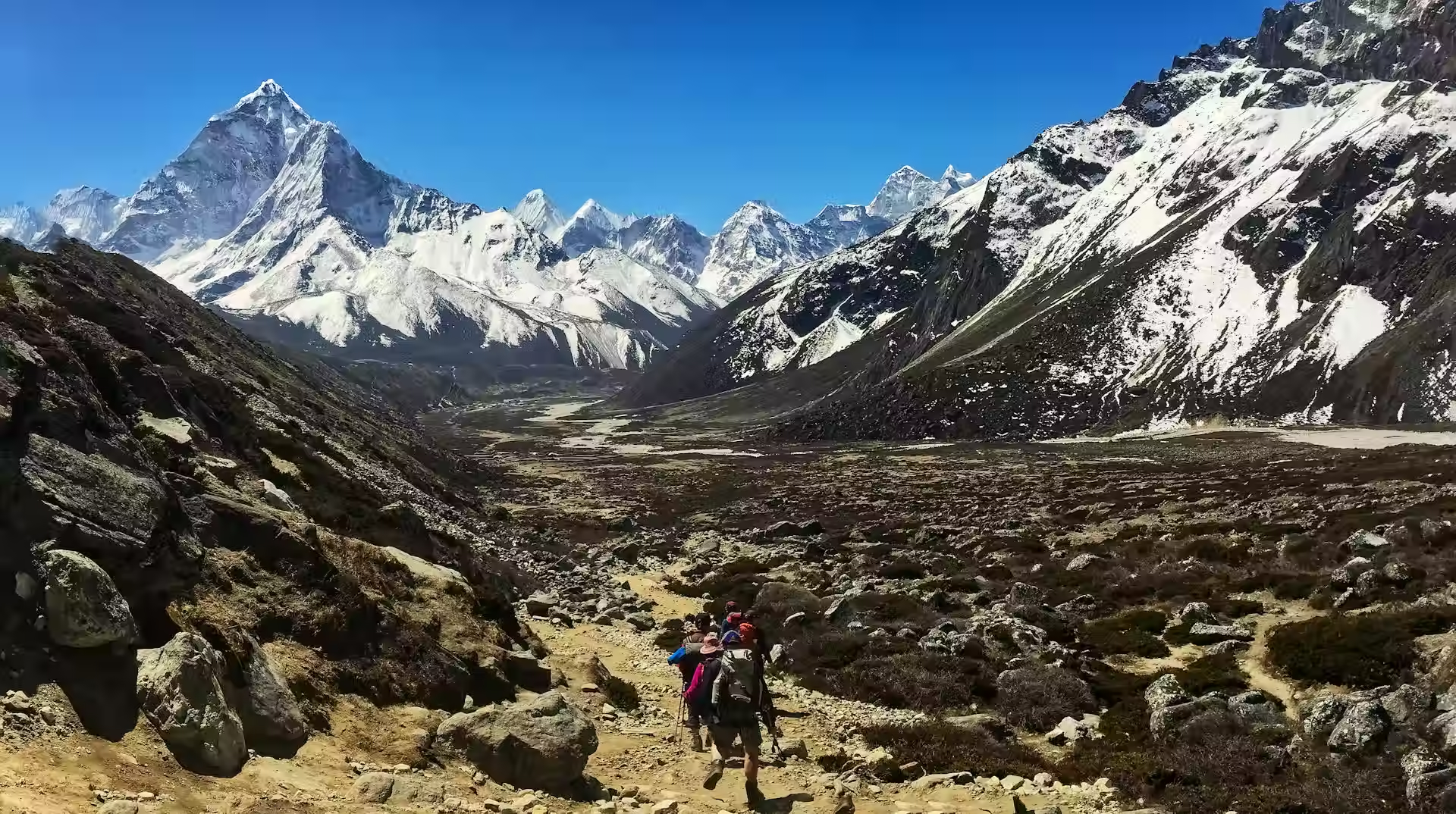
This trek offers an incredible mix of natural beauty, cultural immersion, and physical challenge. You will explore the vibrant Sherpa hub of Namche Bazaar, visit ancient monasteries, and walk through picturesque Himalayan villages like Tengboche and Dingboche. As you trek through Sagarmatha National Park, a UNESCO World Heritage Site, you may encounter rare wildlife such as snow leopards, Himalayan tahr, and musk deer.
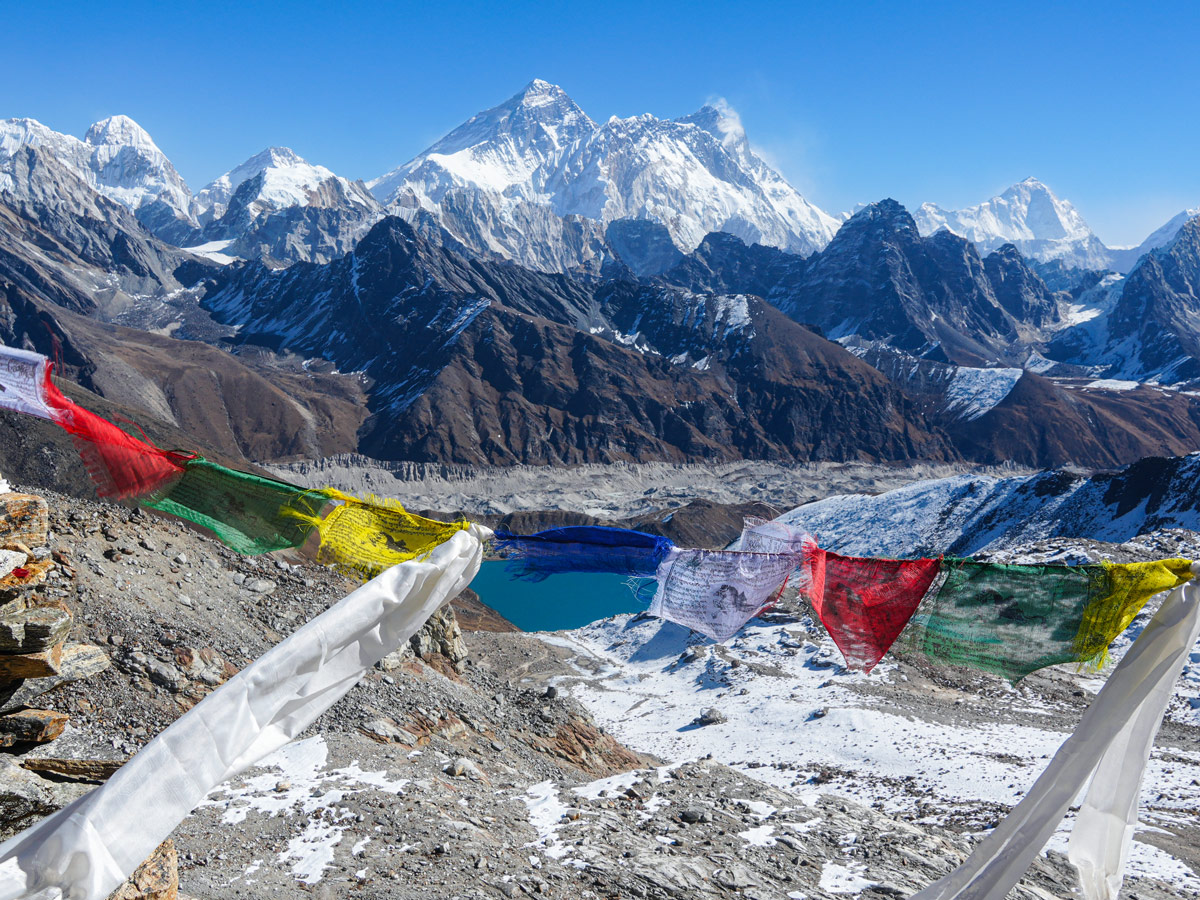
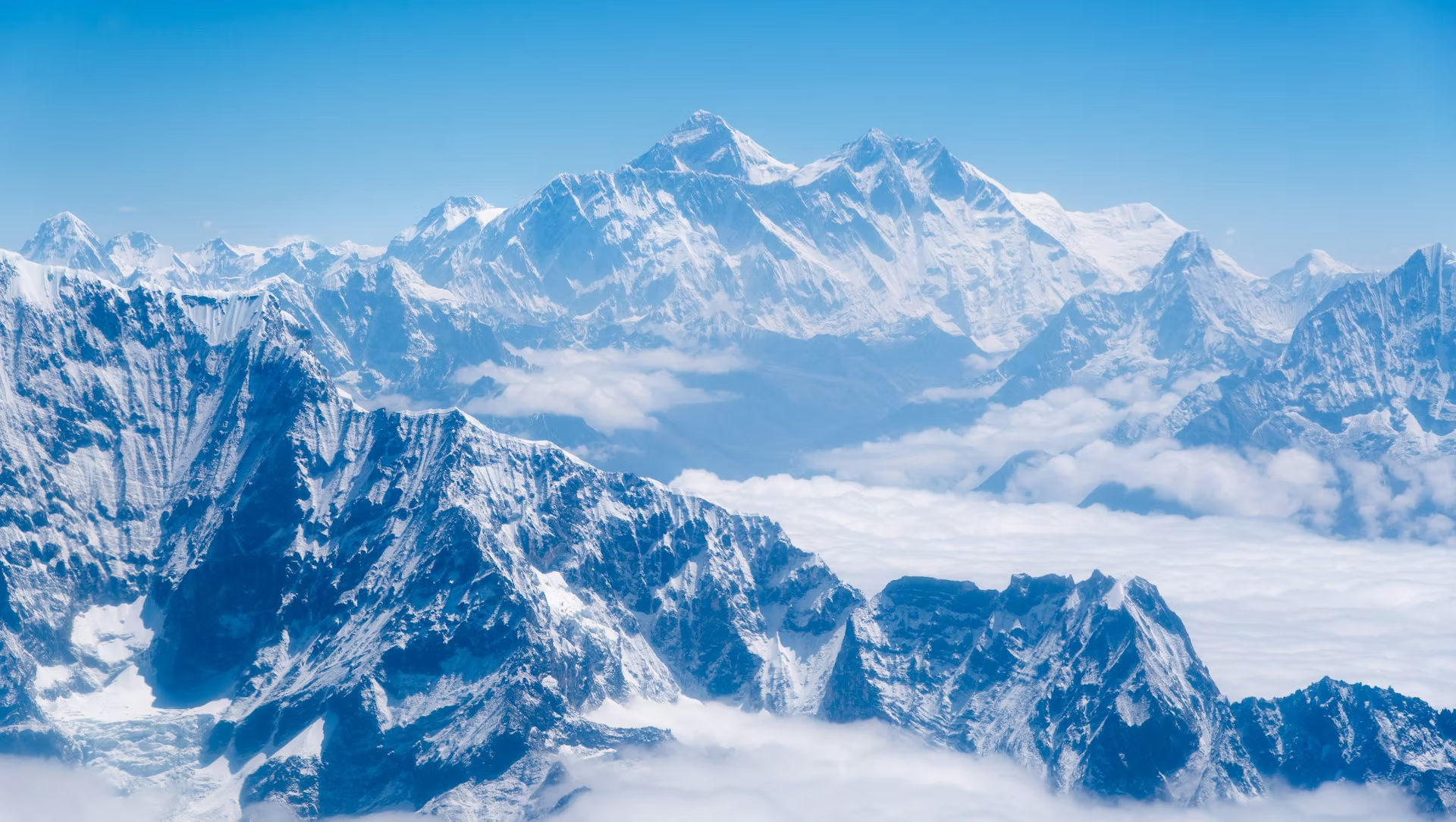
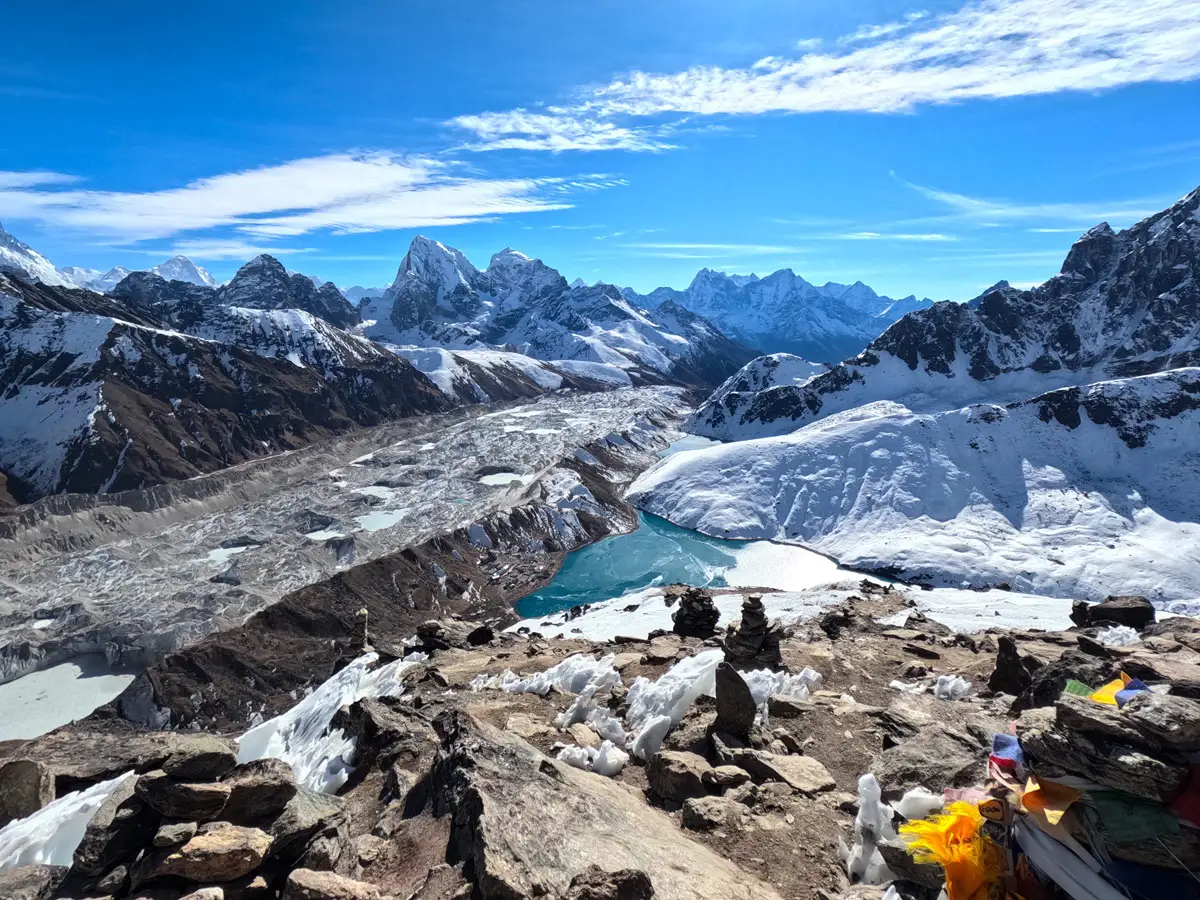
The journey rewards you with breathtaking views of Mount Everest, Lhotse, Nuptse, Ama Dablam, and other towering peaks. Highlights include the iconic Everest Base Camp, the dramatic Khumbu Icefall, and the panoramic viewpoint of Kalapathar. You will also visit the stunning Gokyo Lakes before crossing the final pass, Renjo La. You can complete this trek in either a clockwise or counterclockwise direction, depending on your itinerary.
Key Attractions of Everest Three Passes Trek
- Enjoy a thrilling mountain flight from Kathmandu to Lukla
- Trek through the diverse landscapes of Sagarmatha National Park
- Experience Sherpa culture in Namche Bazaar
- Visit the famous Tengboche Monastery with stunning Himalayan views
- Acclimatize in Namche and Dingboche with scenic side hikes
- Cross three high passes: Kongma La, Cho La, and Renjo La
- Witness panoramic views from Kalapathar and Everest View Hotel
- Explore the pristine Gokyo Lakes
Important Travel Information
During peak trekking seasons (March–May and October–November), flights to Lukla operate from Ramechhap (Manthali Airport), about a 5–6 hour drive from Kathmandu. In off-seasons, flights usually depart directly from Kathmandu.
Packing List for Everest Three Passes Trek
Packing smart is essential for a successful trek. Focus on lightweight, durable, and weather-appropriate gear.
Essential Items
- Sleeping bag (rated for -10°C or lower)
- Backpack (35–45L) with rain cover
- Duffel bag (for porters)
- Base layers and thermal wear
- Fleece jacket and insulated outerwear
- Waterproof jacket and pants
- Trekking boots and warm socks
- Gloves, hats, and sunglasses
- Trekking poles and headlamp
Health & Safety
- Personal first-aid kit
- Sunscreen and lip balm
- Water purification tablets or filter
- Electrolytes and medications
Documents & Extras
- Passport and extra photos
- Reusable water bottle
- Power bank or solar charger
- Toiletries and quick-dry towel
Accommodation on the Trek
In Kathmandu, you will stay in a comfortable 3-star hotel with modern amenities. During the trek, you will stay in teahouses that offer basic facilities, typically with shared rooms and bathrooms. In popular stops like Lukla and Namche, you may find rooms with attached bathrooms, but facilities become simpler at higher altitudes.
Trek Difficulty
The Everest Three Pass Trek is physically demanding and best suited for experienced trekkers. You will walk 6–8 hours daily across rugged terrain at elevations above 5,000 meters. Expect cold temperatures, thin air, and unpredictable weather conditions. Proper preparation and acclimatization are essential for success.
Permits Required
To complete this trek, you need:
- Sagarmatha National Park Entry Permit
- Khumbu Pasang Lhamu Rural Municipality Permit
Best Time to Trek
The best seasons for the Everest Three Pass Trek are:
- Spring (March–May) – Clear skies, blooming rhododendrons
- Autumn (September–November) – Stable weather and excellent visibility
Winter offers fewer crowds but extreme cold, while monsoon brings heavy rainfall and poor visibility.
Food and Internet Facilities
Teahouses serve a variety of meals, including Nepali dal bhat, noodles, soups, and some international dishes in lower regions. Wi-Fi is available in many places, often through Everest Link cards, though connectivity may be limited at higher elevations.
Safety and Altitude Awareness
Altitude sickness is a major concern above 3,000 meters. To reduce risks:
- Ascend gradually
- Stay hydrated
- Take proper acclimatization days
- Inform your guide immediately if symptoms appear
In emergencies, helicopter evacuation is available with proper insurance coverage.
Training for Everest Three Passes Trek
You should start preparing at least 2–3 months before your trek. Focus on:
- Cardiovascular exercises (running, hiking, cycling)
- Strength training (legs and core)
- Flexibility and breathing exercises
Regular hiking and stair climbing will significantly improve your endurance.
Why Choose This Trek?
The Everest Three Passes Trek is more than just a trek—it’s a lifetime achievement. It combines adventure, culture, and stunning Himalayan landscapes into one unforgettable journey. If you’re looking for the ultimate trekking challenge in Nepal, this trek delivers an unmatched experience.