Everest Panorama Trek Overview
The Everest Panorama Trek 2026 is one of the best ways to experience the beauty of the Everest region without taking on the challenges of the full Everest Base Camp trek. This short and rewarding journey combines breathtaking mountain views, rich Sherpa culture, and comfortable trekking days, making it ideal for beginners, families, and travelers with limited time.
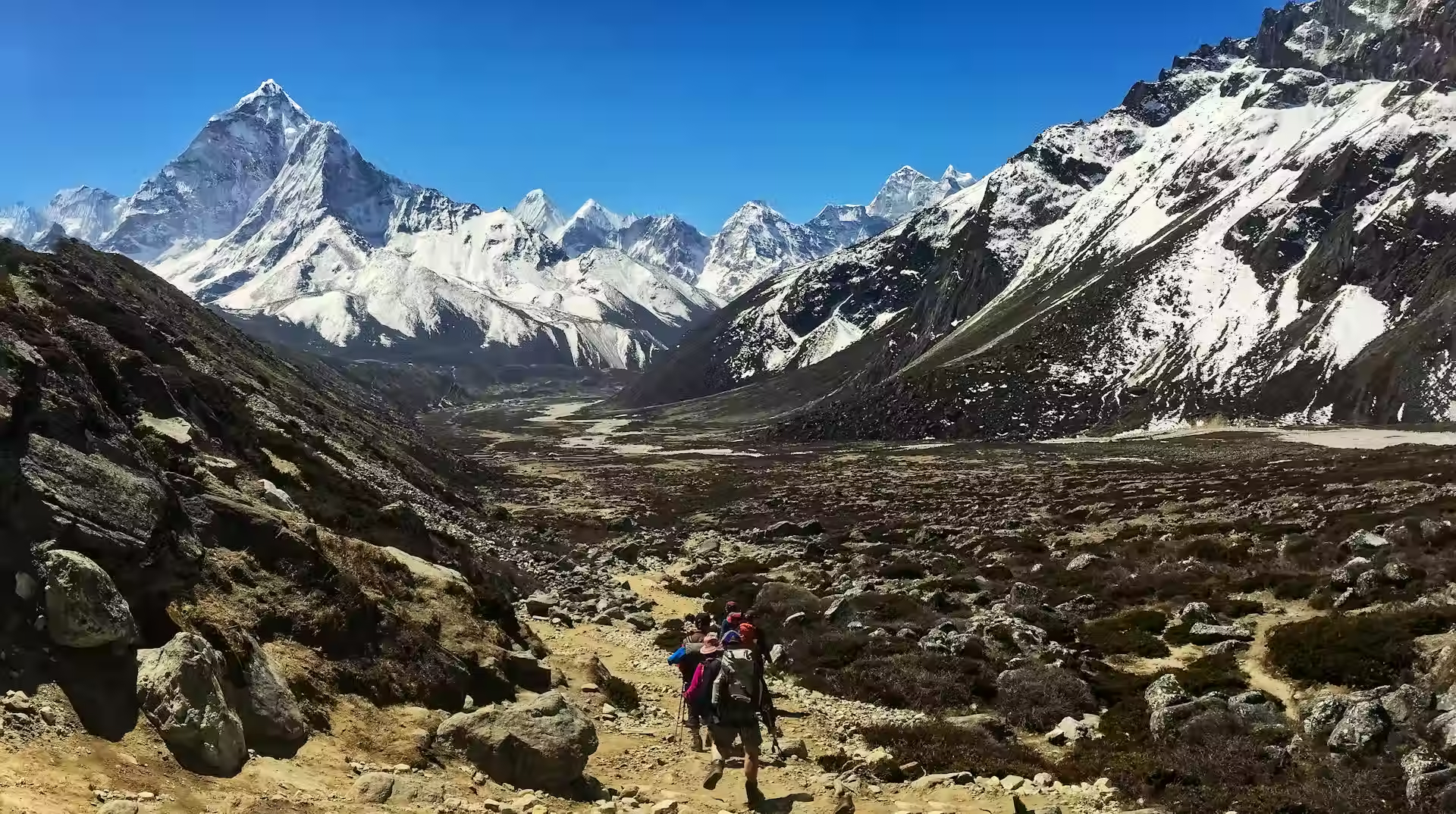
The adventure begins with a scenic flight from Kathmandu or Manthali to Lukla, the gateway to the Everest region. From Lukla, the trail follows the Dudh Koshi River through charming villages, lush forests, and terraced farmland before reaching Phakding.
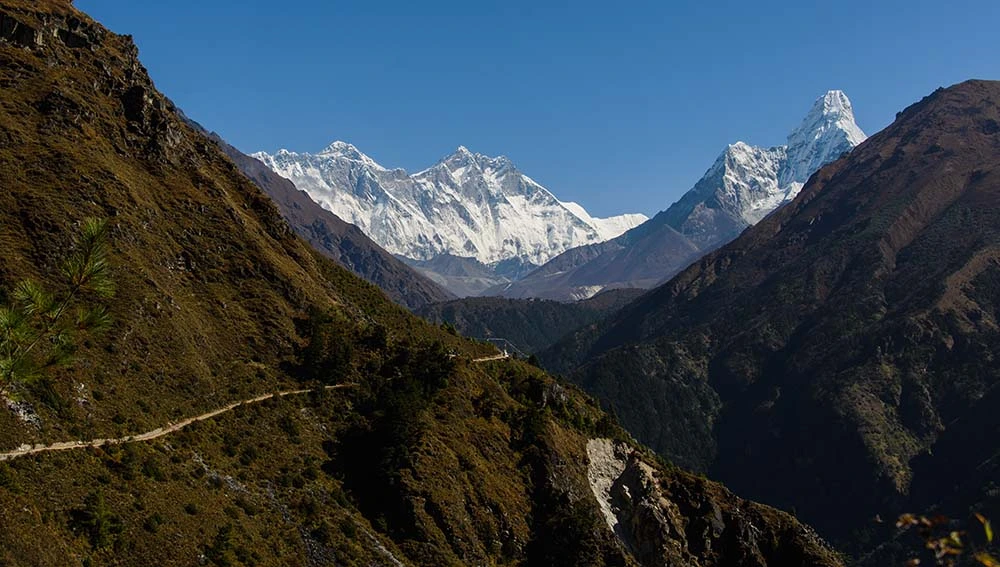
The next stage takes you to Namche Bazaar, the vibrant heart of the Khumbu region. This bustling Sherpa town offers stunning views of Mount Everest and surrounding peaks, along with cozy cafés, bakeries, and local markets. You will spend an extra day here for acclimatization, giving you time to visit the traditional village of Khumjung or hike to the famous Everest View Hotel (3,880 m), one of the best viewpoints in the region.
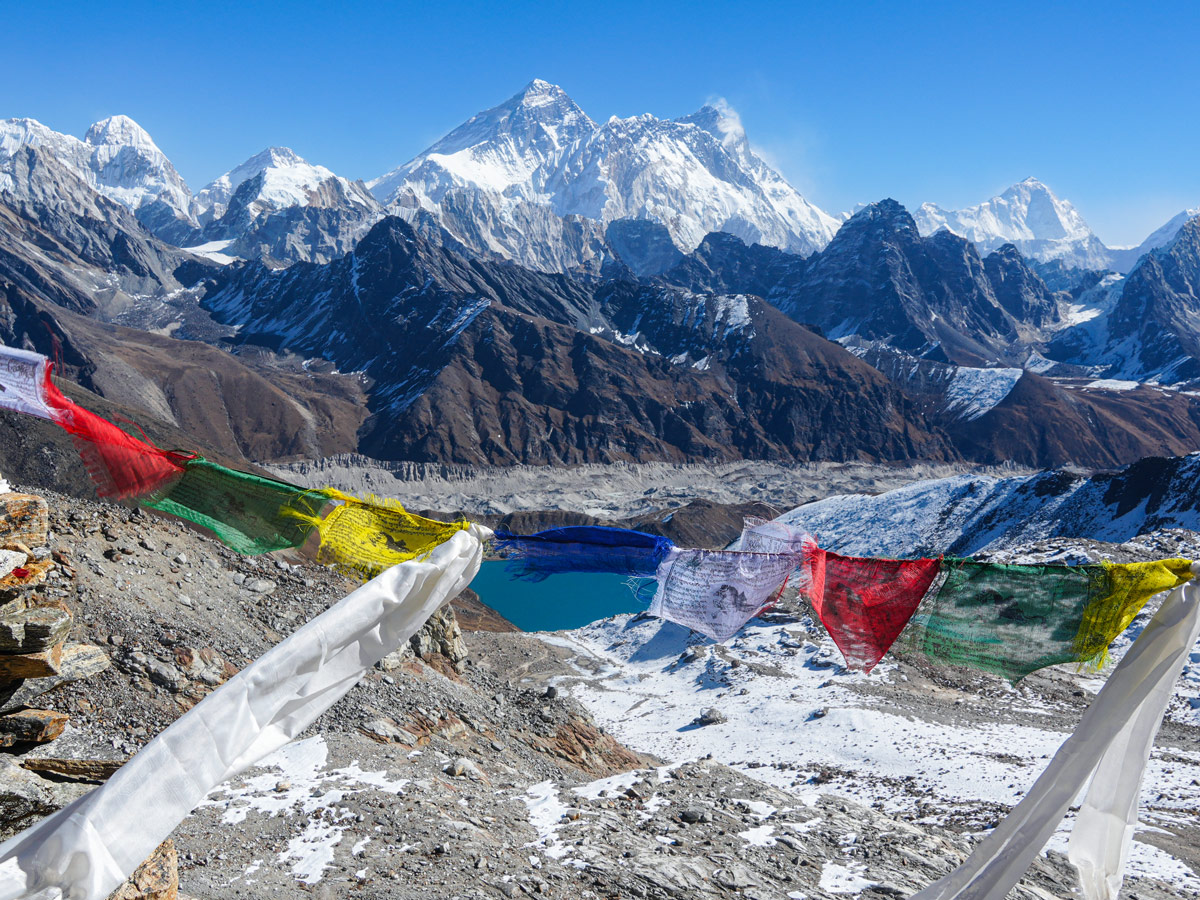
Continuing onward, the trail leads to Tengboche Monastery (3,867 m), the spiritual center of the Everest region. Surrounded by colorful prayer flags and dramatic Himalayan scenery, Tengboche offers spectacular views of Everest, Ama Dablam, Lhotse, Thamserku, and several other peaks.
After enjoying the panoramic mountain scenery, you retrace your steps through beautiful rhododendron and pine forests back to Namche Bazaar and Lukla. A short flight returns you to Kathmandu, bringing your unforgettable Himalayan adventure to a close.
The Everest Panorama Trek perfectly balances adventure, culture, and comfort. With shorter walking days, moderate altitude, and world-class mountain views, it provides an unforgettable introduction to trekking in Nepal.
Related Information
How High Will You Go on the Everest Panorama Trek?
Unlike the Everest Base Camp Trek, the Everest Panorama Trek stays at a relatively comfortable altitude. The highest point is typically either Everest View Hotel (3,880 m) or Tengboche (3,867 m).
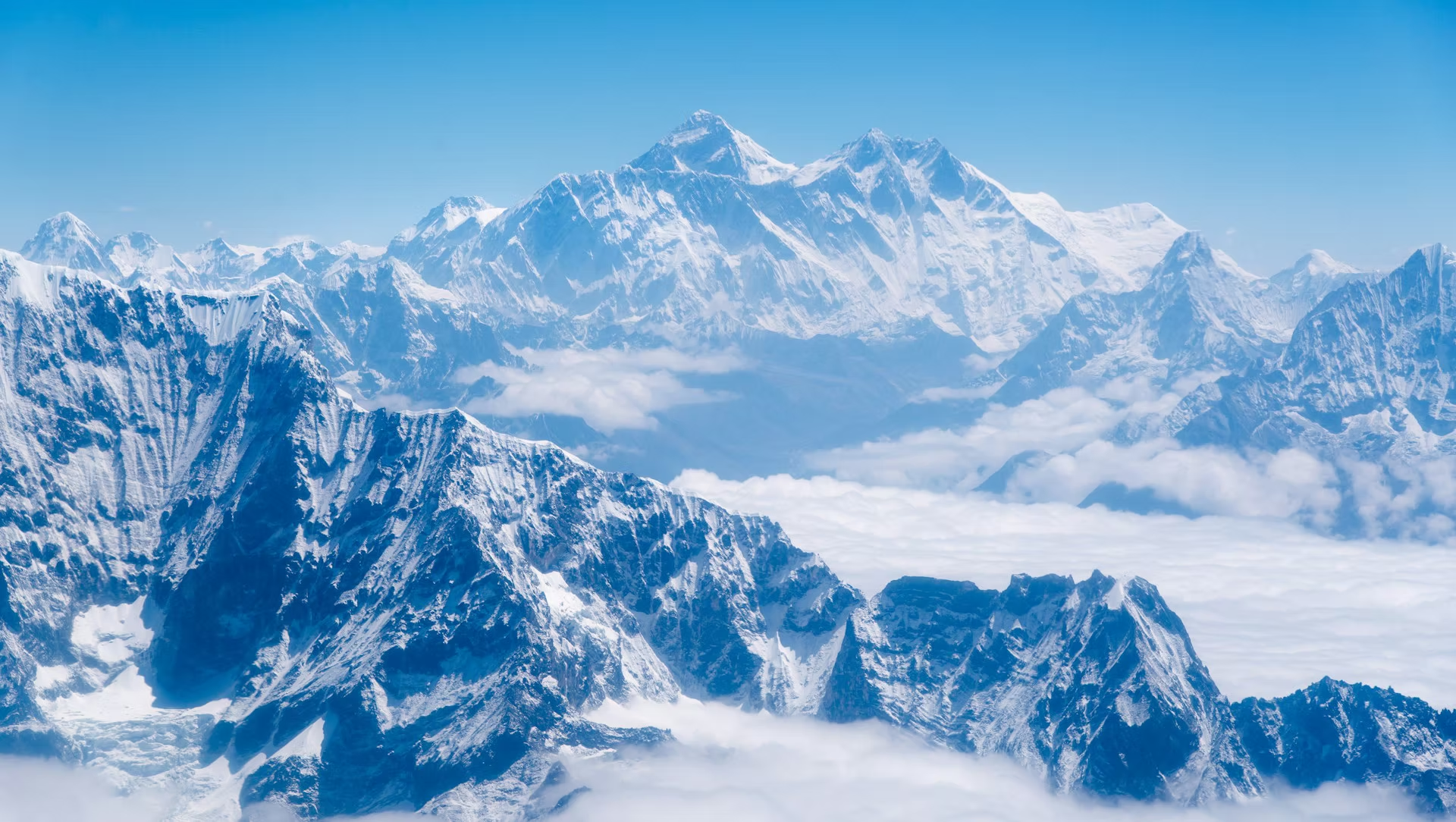
From these viewpoints, you can enjoy breathtaking panoramas of Everest, Ama Dablam, Lhotse, Nuptse, and many other Himalayan peaks without trekking into extreme high-altitude zones.
Because of its moderate elevation, this trek is suitable for beginners, families, and travelers looking for a less demanding Everest experience.
Accommodation on the Everest Panorama Trek
In Kathmandu
Before and after the trek, you will stay in comfortable 3-star hotels that offer private rooms, hot showers, Wi-Fi, breakfast, and other essential amenities. Travelers seeking additional comfort can upgrade to 4-star or 5-star hotels.
During the Trek
Along the trail, you will stay in traditional teahouses run by local families. These lodges provide simple but comfortable twin-sharing rooms. In larger villages such as Lukla, Phakding, and Namche Bazaar, some teahouses also offer private rooms with attached bathrooms for an additional charge.
Washroom Facilities
Facilities vary depending on the location.
Lukla, Phakding, and Namche Bazaar
Many teahouses provide attached bathrooms and hot showers.
Tengboche and Higher Villages
Facilities become more basic, with shared toilets and bucket-style hot water available for an extra fee.
Although comfort levels decrease slightly at higher elevations, the facilities remain clean and suitable for trekkers.
Essential Gear for Everest Panorama Trek
Pack wisely to stay comfortable throughout the trek.
Recommended items include:
- Thermal base layers
- Fleece jacket
- Down jacket
- Waterproof jacket and pants
- Comfortable trekking boots
- Gloves and warm hat
- Sun hat
- Sunglasses
- Sunscreen
- Reusable water bottle
- Daypack (20–30 liters)
- Trekking poles (optional)
Mountain weather can change quickly, so prepare for both warm daytime temperatures and chilly evenings.
Permits Required
You will need the following permits:
- Sagarmatha National Park Entry Permit
- Khumbu Pasang Lhamu Rural Municipality Permit
Officials check these permits along the trekking route, particularly around Monjo and Namche Bazaar.
Travel Insurance
Travel insurance is highly recommended for the Everest Panorama Trek.
Your policy should cover:
- Medical emergencies
- Helicopter evacuation
- Accidents and injuries
- Flight delays and cancellations
Proper insurance provides peace of mind when trekking in remote mountain regions.
Trek Difficulty Level
The Everest Panorama Trek is considered a moderate trek.
You can expect:
- 4–6 hours of walking per day
- Well-maintained trails with occasional steep sections
- Maximum altitude below 4,000 meters
- No technical climbing
With basic fitness preparation and regular walking, most travelers can comfortably complete the trek.
Trek Distance and Duration
The total trekking distance is approximately 25–30 kilometers, depending on your itinerary.
Most itineraries take between 5 and 7 days, allowing plenty of time for sightseeing, photography, and acclimatization.
Best Time for Everest Panorama Trek
Spring (March to May)
Spring is one of the most popular seasons for trekking.
Highlights include:
- Blooming rhododendron forests
- Pleasant temperatures
- Clear mountain views
Autumn (October to November)
Autumn offers the best visibility and stable weather conditions.
Benefits include:
- Crystal-clear skies
- Spectacular mountain panoramas
- Comfortable trekking temperatures
Winter (December to February)
Winter brings fewer crowds and excellent visibility, but temperatures can be very cold.
Monsoon (June to August)
Heavy rainfall, slippery trails, and cloudy conditions make monsoon the least popular trekking season.
Safety on the Everest Panorama Trek
Although this trek is easier than Everest Base Camp, safety remains important.
To stay safe:
- Walk at a steady pace
- Drink plenty of water
- Avoid excessive alcohol consumption
- Follow your guide’s instructions
- Dress in layers for changing weather conditions
Altitude sickness is less common on this trek but can still affect some trekkers around Namche Bazaar.
Preventing Altitude Sickness
Reduce the risk of altitude sickness by following these tips:
- Spend an acclimatization day in Namche Bazaar
- Drink 3–4 liters of water daily
- Avoid rushing uphill
- Eat nutritious meals
- Consult your doctor about Diamox before the trek
Always inform your guide if you experience symptoms such as headache, dizziness, or nausea.
Wi-Fi and Internet Access
Internet access is available throughout much of the Everest region.
Most teahouses use the Everest Link network.
Typical costs range from USD 7–10 for 24–48 hours of access.
Namche Bazaar generally provides the strongest and most reliable connection.
How to Reach the Everest Region
1. Flight from Kathmandu to Lukla
During off-peak months, direct flights from Kathmandu to Lukla take around 35–40 minutes.
2. Flight from Manthali (Ramechhap) to Lukla
During peak trekking seasons, flights often operate from Manthali Airport instead of Kathmandu.
Travelers must leave Kathmandu early in the morning and drive approximately four hours to Manthali.
3. Road Access
Alternative routes include:
- Driving to Phaplu and trekking to Lukla
- Driving to Jiri and following the classic Everest route
4. Helicopter Transfer
Private and shared helicopter flights offer a comfortable and time-saving alternative.
Lukla Flight Baggage Allowance
Most airlines allow a total baggage limit of 15 kg, including your duffel bag and daypack.
Excess baggage typically costs between USD 2–5 per kilogram.
Travel light and carry only essential items.
Charging Your Devices
Electricity is available in most villages.
Charging costs generally range from USD 1–5 per device, depending on altitude.
Consider carrying:
- A power bank
- Universal travel adapter
- Portable solar charger (optional)
Food on the Everest Panorama Trek
Teahouses serve a variety of fresh and filling meals.
Popular options include:
- Dal Bhat
- Fried rice
- Noodles
- Pasta
- Momos
- Soups
- Potatoes
- Eggs
- Bread
Hot drinks such as tea, coffee, hot chocolate, and ginger lemon honey tea are also widely available.
Namche Bazaar offers additional choices, including bakeries and cafés.
Cost of Everest Panorama Trek
The average cost ranges from USD 700 to USD 1,200, depending on:
- Accommodation type
- Guide and porter services
- Group size
- Trekking season
- Meal inclusions
- Private bathroom upgrades
Luxury services and helicopter transfers increase the overall cost.
Everest Trek Package Options
Everest View Trek
A short trek focusing on Namche Bazaar, Everest View Hotel, and Tengboche.
Everest Heli Trek
Combines trekking with a helicopter return for added comfort.
Luxury Everest Trek
Features premium lodges, upgraded services, and a relaxed pace.
Everest Panorama Trek
An extended version of the Everest View Trek that includes additional cultural and scenic highlights.
Training for Everest Panorama Trek
Prepare yourself with simple exercises before the trek:
- Walk 4–5 km daily
- Practice stair climbing
- Do regular cardio exercises such as running or cycling
- Train while carrying a small backpack
- Take short hikes whenever possible
Even a few weeks of preparation can significantly improve your trekking experience.
Beginner’s Guide to the Everest Region
If this is your first Himalayan trek, remember these simple tips:
- Start preparing early
- Pack warm clothing
- Respect acclimatization days
- Walk at your own pace
- Stay hydrated
- Listen to your guide
- Enjoy the journey
The Everest Panorama Trek offers an excellent introduction to trekking in Nepal. With spectacular mountain views, rich Sherpa culture, comfortable altitudes, and manageable walking days, it is one of the most rewarding short treks in the Himalayas.