Tsum Valley Trek Overview
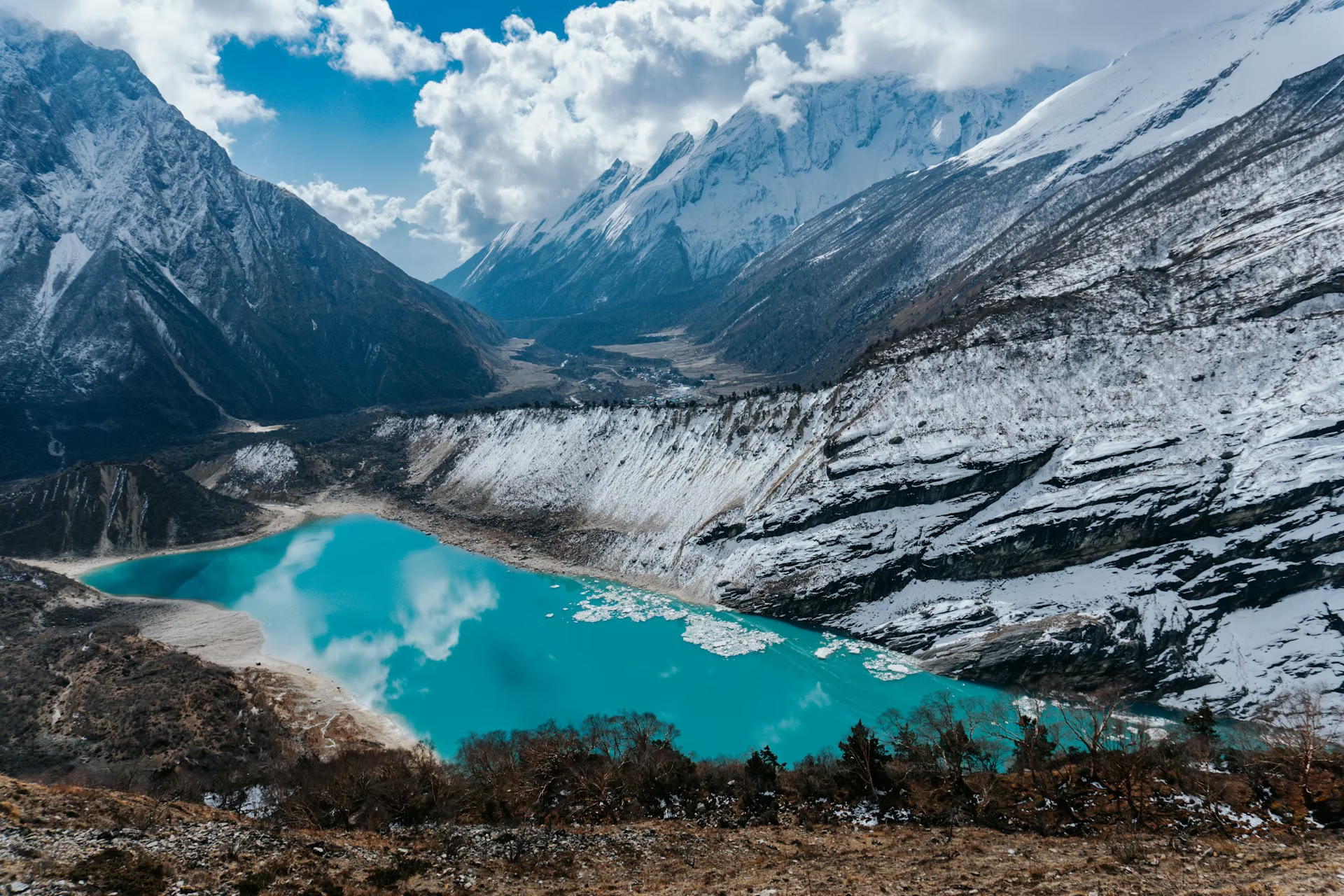
The Tsum Valley Trek offers a perfect blend of adventure, culture, and untouched Himalayan beauty. Nestled in the remote corners of the Manaslu region, this 13-day journey takes you deep into one of Nepal’s most secluded valleys, surrounded by towering peaks and ancient traditions.
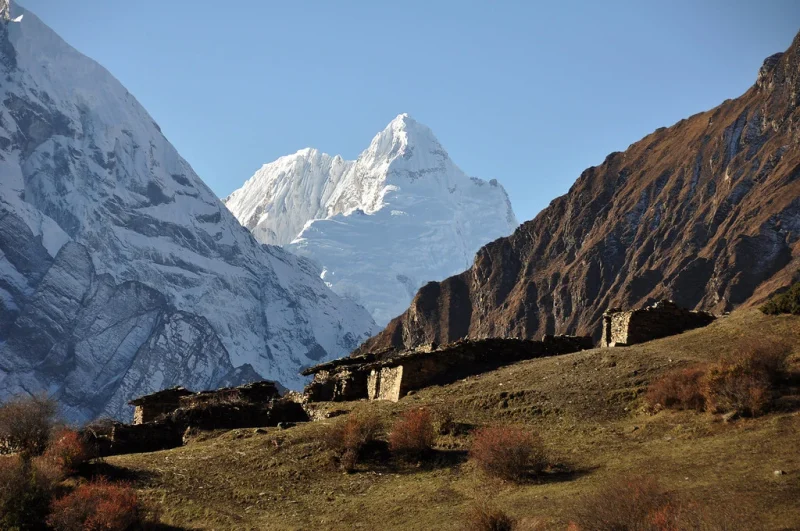
As you walk through rugged trails, you’ll witness breathtaking views of Ganesh Himal, Shringi Himal, and Boudha Himal. The trek is not just about landscapes—it also immerses you in the rich Tibetan Buddhist culture that defines the region.
The valley is home to the Tsumbas, whose lifestyle, traditions, and spiritual practices reflect centuries-old Tibetan heritage. Along the trail, you’ll explore ancient monasteries, prayer wheels, and sacred sites believed to be connected to Guru Rinpoche.
Nature lovers will also appreciate the region’s biodiversity. You may encounter rare wildlife such as Himalayan Thar, Blue Sheep, Musk Deer, and even the elusive snow leopard.
For those seeking a longer adventure, you can combine the Tsum Valley Trek with the Manaslu Circuit Trek for a more challenging and rewarding Himalayan experience.
Key Attractions of Tsum Valley Trek
- Enjoy a scenic drive from Kathmandu to Soti Khola through lush hills, rivers, and picturesque villages
- Witness stunning mountain views, including Mt. Manaslu, Machhapuchre, Gangapurna, Ganesh Himal, and Annapurna ranges
- Visit ancient monasteries like Mu Gompa, Rachen Gompa, and Dephyudonma
- Experience off-the-beaten trails with waterfalls, rivers, and peaceful landscapes
- Explore the sacred Milarepa’s Cave and other spiritual landmarks
- Spot rare wildlife such as Himalayan Thar, Blue Sheep, and Musk Deer
- Option to extend your journey to Larkya La Pass for panoramic Himalayan views
Packing List for Tsum Valley Trek
Packing smart is essential for a comfortable trek. Focus on lightweight, durable, and functional gear.
General Essentials
- Sleeping bag (rated to 0°C)
- Backpack (35–45 liters) with rain cover
- Sleeping bag liner
- Duffel bag (optional/rentable)
Clothing
- Base layers (thermal tops and bottoms)
- Comfortable trekking pants and shirts
- Undergarments and sleepwear
- Fleece jacket or pullover
- Down jacket or body warmer
- Warm pants and woolen layers
- Gloves, warm hat, and cap
Footwear
- Hiking boots and socks
- Liner socks
- Casual shoes or sandals
- Microspikes (for winter)
- Gaiters (for snow conditions)
Rain & Weather Protection
- Waterproof jacket and pants
- Raincoat
- Windproof outer layers
Sun Protection
- Sunglasses (UV protection)
- Sunscreen
- Hat or cap
Trekking Gear
- Hiking poles
- Headlamp
- Quick-dry shirts and hiking shorts
First Aid & Medicines
- Personal medication
- Antiseptic cream and ointments
- Cough syrup
- Electrolytes
- Mosquito repellent
Other Essentials
- Toiletry kit
- Passport and extra photos
- Reusable water bottle
- Water purification tablets or UV purifier
- Towel and pillowcase
- Waterproof document bags
Optional Items
- Camera and phone
- Power bank or solar charger
- Binoculars
- Thermos bottle
- Books or cards
What Makes This Trek Unique?
Eco-Friendly Travel
We promote sustainable tourism by planting a fruit tree for every traveler. This initiative supports local community forests and helps preserve Nepal’s natural environment.
Community Support
We hire local guides, porters, and staff to ensure authentic experiences while supporting the livelihoods of local communities. We also contribute to social welfare initiatives, including feeding street animals.
Everything You Need to Know About Tsum Valley Trek
How High is Tsum Valley?
The highest point of the trek is Mu Gompa at 3,700 meters (12,139 ft). Some nearby viewpoints reach up to 4,000 meters, offering panoramic mountain views.
Accommodation
In Kathmandu, you will stay in comfortable 3-star hotels with modern amenities. Along the trek, you will stay in basic teahouses with simple rooms, shared bathrooms, and home-cooked meals.
Washroom Facilities
Expect basic facilities throughout the trek. Most teahouses offer shared squat toilets, and hot showers may cost extra. Higher elevations have more limited options.
ermits Required
To trek in Tsum Valley, you must obtain:
- Tsum Valley Restricted Area Permit (RAP)
- Manaslu Conservation Area Permit (MCAP)
- TIMS card (if combined with Manaslu Circuit)
A licensed guide is mandatory for this trek.
Travel Insurance
You must carry comprehensive travel insurance that covers:
- High-altitude trekking (up to 4,000 m)
- Emergency helicopter rescue
- Accidents and medical expenses
- Trip delays and cancellations
Trek Difficulty
The Tsum Valley Trek is moderately challenging. You will walk 6–7 hours daily on rugged trails, cross suspension bridges, and navigate remote terrain.
Trek Distance
- One way: 65–70 km
- Round trip: 130–140 km
- Duration: 14–17 days
Best Time to Visit
Best seasons:
- Spring (March–May)
- Autumn (September–November)
Off-season:
- Winter (cold and snowy)
- Monsoon (rainy and landslide-prone)
Safety Tips
Follow your guide’s advice, stay hydrated, and trek at a steady pace. Avoid late-afternoon hikes in landslide-prone areas.
Preventing Altitude Sickness
Ascend gradually and allow your body to acclimatize. Drink plenty of water, avoid alcohol, and report symptoms immediately.
Internet & Connectivity
Internet access is limited. Some lower villages offer paid Wi-Fi, but higher areas may not have any connectivity.
How to Reach Tsum Valley?
Start your journey with a drive from Kathmandu to Soti Khola or Machha Khola.
- Public bus: Budget-friendly but slow
- Shared jeep: Mid-range option
- Private jeep: Fast and comfortable
Food on the Trek
Expect simple and nutritious meals such as:
- Dal Bhat
- Tibetan bread
- Noodles and soups
- Potatoes and local dishes
- Tea and butter tea
Cost of Tsum Valley Trek
The average cost ranges from USD 1800 to 2100 per person, depending on services, group size, and itinerary.
Trek Options
- Standard Tsum Valley Trek (14–17 days)
- Tsum Valley + Manaslu Circuit Trek
- Cultural and spiritual-focused trek
Training Tips
Prepare at least 6–8 weeks in advance:
- Cardio exercises (hiking, running)
- Strength training (legs and core)
- Stair climbing
- Endurance building
Final Thoughts
The Tsum Valley Trek is perfect for travelers seeking a peaceful Himalayan journey with deep cultural immersion. With its untouched landscapes, spiritual heritage, and warm local communities, this trek offers a truly unforgettable experience.